
Spider veins are one of the most common vein concerns patients ask about, especially on the legs. They often appear as thin red, blue, or purple lines close to the surface of the skin, and while they are usually considered cosmetic, they can become more noticeable over time and rarely improve with creams or topical products alone.
Sclerotherapy has remained one of the most established treatments for these visible superficial veins because it treats the vessel itself rather than trying to mask it. At Covet Med Spa in Metro Detroit, the goal is not just improvement in appearance, but a medically guided approach that prioritizes safety, precision, and long-term results.
What Spider Veins Actually Are
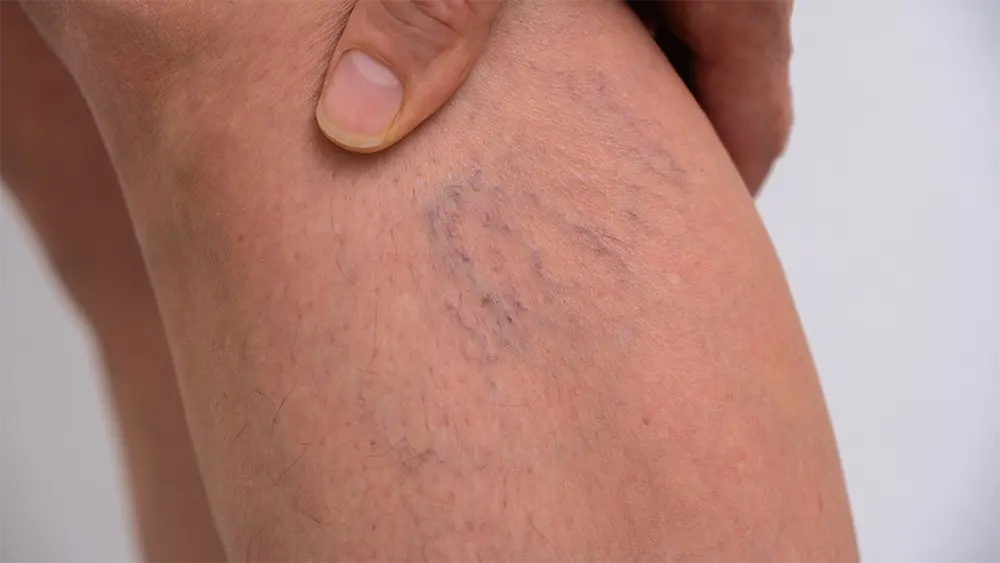
Spider veins are small superficial blood vessels, often referred to as telangiectasias, that become visible through the skin. They are commonly found on the legs and may appear in clusters, branching patterns, or fine linear networks.
In many patients, genetics play a role, but age, hormonal changes, pregnancy history, and prolonged standing can all contribute to their development. They are not the same as larger varicose veins, which tend to be raised, more prominent, and associated with deeper venous issues.
While spider veins are usually considered cosmetic, they reflect underlying changes in the small vessels that control circulation near the surface of the skin. That is one reason they tend to become more noticeable over time rather than fading.
What Sclerotherapy Is
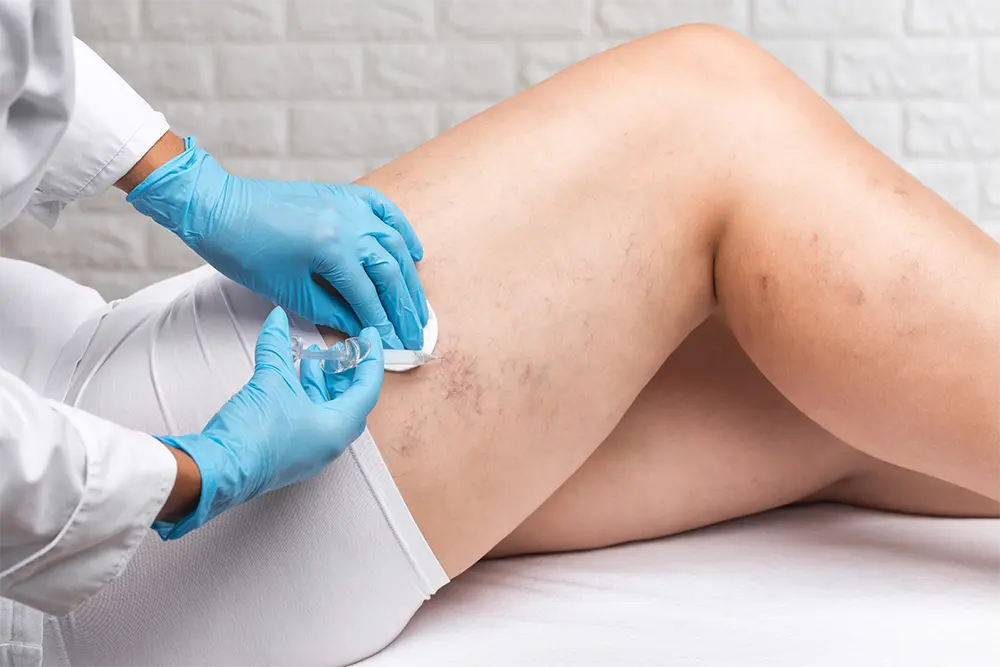
Sclerotherapy is a minimally invasive procedure used to treat spider veins and certain small superficial veins. During treatment, a specialized solution known as a sclerosant is injected directly into the affected vein.
This solution interacts with the inner lining of the vessel, causing it to collapse and seal shut. Once the vein is closed, blood is naturally redirected through healthier nearby vessels. Over time, the treated vein is broken down and reabsorbed by the body, which reduces its visible appearance.
Rather than working at the surface of the skin, sclerotherapy addresses the vessel itself. That is what makes it fundamentally different from topical treatments.
How the Treatment Works
Sclerotherapy works by targeting the endothelium, which is the inner lining of the vein. The injected solution disrupts that lining in a controlled way, triggering a response that leads to closure of the vessel.
Once the vein collapses, the body begins a gradual process of breaking it down and clearing it. This process is often described as fibrosis, followed by reabsorption over time.
Several sclerosants are used in modern practice, including polidocanol and sodium tetradecyl sulfate. The selection depends on the size, location, and characteristics of the vein, as well as patient-specific factors. Proper selection and technique play a significant role in both safety and outcomes.
Why Sclerotherapy Remains a Standard Treatment
Sclerotherapy has been used for decades and continues to be one of the most studied and widely used treatments for spider veins. It is considered effective for small superficial veins because it directly treats the vessel responsible for the visible discoloration.
It is also performed in an outpatient setting and does not require surgical intervention, which makes it accessible for many patients. When performed appropriately, it allows for targeted treatment without affecting surrounding skin.
Not all veins are treated the same way, however. Some patients may have deeper venous issues or larger feeder veins that influence treatment planning. This is why proper evaluation before treatment is important.
What a Treatment Session Is Like
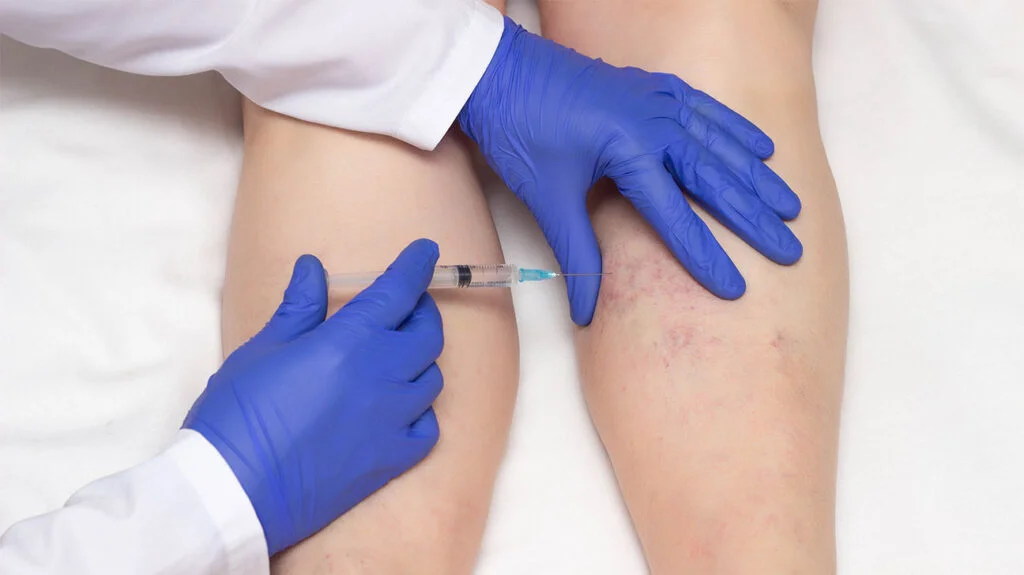
Sclerotherapy is typically performed in-office using a very fine needle. The provider injects the selected solution directly into the targeted veins, often treating multiple areas during a single session.
Most patients describe the sensation as mild and brief, often a light stinging or pressure rather than significant pain. The experience can vary slightly depending on the solution used and the location of the vein.
Sessions are generally short, and patients are usually able to return to normal daily activities the same day. Walking is often encouraged afterward, and compression may be recommended to support circulation and results.
When You See Results
Results from sclerotherapy develop gradually. Treated veins do not disappear immediately, as the body needs time to break them down and reabsorb them.
Smaller veins may begin to fade within a few weeks, while larger or more established veins can take longer. Improvement often continues over several months, and multiple sessions may be needed depending on the extent of the veins being treated.
This gradual progression is normal and contributes to a more natural-looking outcome.
Who Is a Good Candidate
Sclerotherapy is generally appropriate for patients with visible spider veins or small superficial veins who are looking for a non-surgical treatment option.
Candidates are typically in good overall health and able to follow post-treatment recommendations. Certain situations, such as pregnancy or the presence of deeper venous conditions, may require delaying treatment or adjusting the approach.
A consultation is important to determine whether sclerotherapy is the right option based on the type of veins present and the patient’s overall vascular health.
Why a Dermatology-Guided Approach Matters
Sclerotherapy is a precise treatment, and results depend on more than simply injecting a vein. Proper evaluation of vein type, depth, and distribution is essential for both safety and effectiveness.
A dermatology-guided approach allows for careful selection of the appropriate sclerosant, concentration, and technique. It also helps ensure that underlying conditions are identified before treatment begins.
At Covet Med Spa, this approach is part of how treatment plans are developed, with a focus on achieving consistent, natural-looking results.
A Clear Next Step
Spider veins rarely improve on their own, but they can be treated effectively with the right approach. Sclerotherapy remains one of the most established options because it addresses the vein directly and has a long history of clinical use.
If you are considering treatment, a consultation is the best place to start. It allows your provider to evaluate your veins, determine whether sclerotherapy is appropriate, and create a plan based on your goals.
Book your consultation today at Covet Med Spa to find out if sclerotherapy is right for you.
References
- Beneat, A., et al. (2025). Sclerotherapy. StatPearls Publishing.
- Mayo Clinic Staff. (2025). Sclerotherapy. Mayo Clinic.
- Mayo Clinic Staff. (2024). Varicose Veins: Diagnosis and Treatment. Mayo Clinic.
- Rabe, E., Breu, F. X., Cavezzi, A., et al. (2014). European Guidelines for Sclerotherapy in Chronic Venous Disorders. Phlebology.
- Duffy, D. M. (2010). Sclerosants: A Comparative Review. Dermatologic Surgery.
- Rao, J., Wildemore, J. K., & Goldman, M. P. (2005). Double-Blind Prospective Comparative Trial Between Sodium Tetradecyl Sulfate and Polidocanol for Treatment of Varicose and Telangiectatic Leg Veins. Dermatologic Surgery.
- Rabe, E., Pannier, F., & Gerlach, H. (2020). Sclerotherapy in the Treatment of Varicose Veins: A Review. Phlebology.