
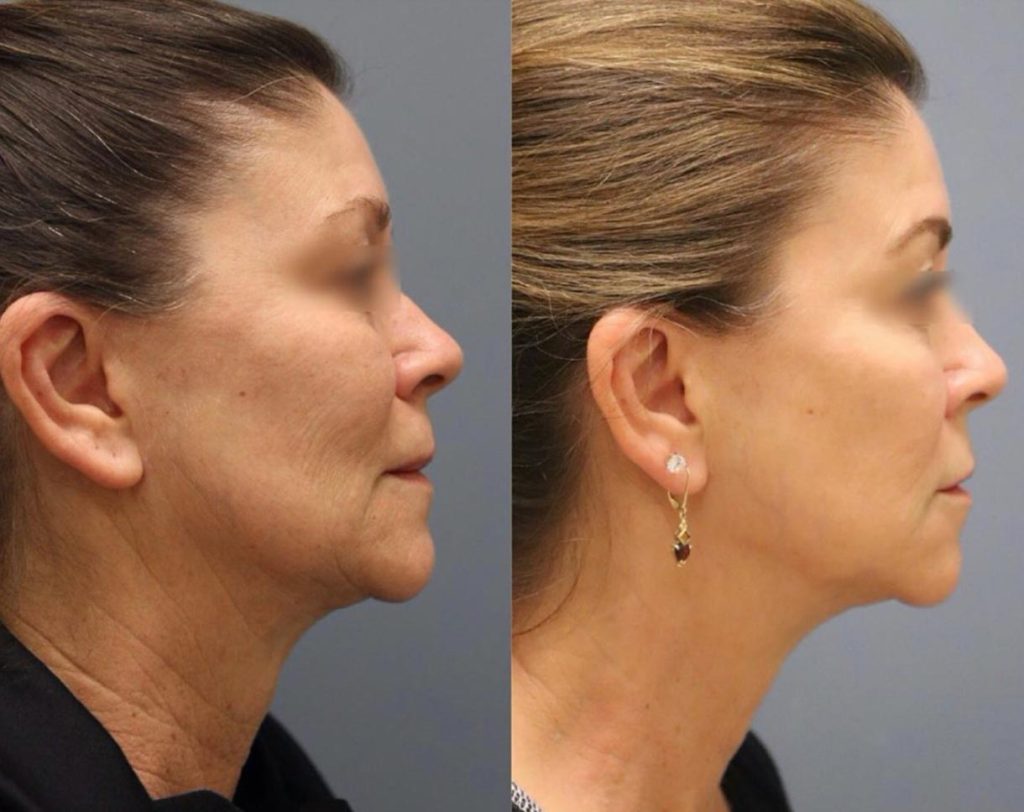

Before-and-after photos are one of the first things patients look for when researching Pixel8 RF microneedling. They make the treatment feel easier to understand because they show visible change instead of just describing it.
However, RF microneedling results are not instant. Pixel8 works by stimulating the skin’s natural repair process, which means the most meaningful changes usually develop gradually. The skin needs time to create new collagen, remodel existing tissue, and improve its overall structure.
That timeline matters. A patient looking at before-and-after photos one week after treatment may see redness, early smoothness, or a temporary glow. A patient looking at results several months later may see more refined texture, softer acne scars, improved firmness, or a more even surface.
Understanding what changes when, and why, helps set realistic expectations before treatment begins.
Why Pixel8 Results Take Time
Pixel8 combines microneedling with radiofrequency energy. The microneedles create controlled micro-injuries in the skin, while radiofrequency energy delivers heat into targeted tissue below the surface. Together, these actions trigger the body’s wound-healing response.
That response happens in stages. First, the skin begins calming and repairing the treated area. Then collagen production and tissue remodeling begin to develop more visibly. Over time, the dermis can become better supported, which may improve the appearance of fine lines, texture, mild laxity, and acne scarring.
This is why Pixel8 before-and-after results should not be judged too early. The skin is not being filled, frozen, or surgically tightened. Instead, the treatment encourages it to rebuild gradually.
Immediately After Treatment
Right after Pixel8, the skin usually looks flushed or red. Some patients may notice warmth, mild swelling, pinpoint marks, tightness, or sensitivity. These responses are common after RF microneedling because the treatment creates controlled injury in the skin.
At this stage, the skin has not produced new collagen yet. Any early change is usually related to temporary swelling, increased circulation, or the first phase of healing. This can make the skin look slightly smoother or tighter for a short period, but it should not be mistaken for the final result.
The most important goal immediately after treatment is supporting the skin barrier. Gentle skincare, sun protection, and avoiding harsh activities are typically part of the recovery plan. Your provider’s instructions should always guide what you use and what you avoid.

The First Few Days
During the first few days, redness and sensitivity usually begin to improve. Some patients notice mild dryness, roughness, or a sandpaper-like texture as the surface heals. Others may feel tight or slightly swollen, especially in areas where the skin is thinner.
This is not the final before-and-after stage. In fact, the skin may look uneven or less polished during early healing. That does not mean the treatment is not working. It simply means the skin is moving through the repair process.
Patients should avoid judging their results during this window. The early recovery phase is more about healing than visible transformation.
Weeks Two Through Four
This is when many patients start to notice early improvement. The skin may look a little brighter, smoother, or more even. Texture can begin to feel softer, and pores may appear less noticeable as the surface settles.
For patients treating fine lines, this stage may bring a subtle improvement in skin quality rather than a dramatic change in wrinkles. For patients treating acne scars, early results may be even more gradual. Scars are structural changes in the skin, so they typically require more time and more than one treatment.
The key word here is subtle. Pixel8 works beneath the surface, and the deeper remodeling process is still developing.
One to Three Months After Treatment
The one-to-three-month window is where more meaningful changes may start to appear. Collagen remodeling continues, and the skin may feel firmer, smoother, and more refined.
This is often when before-and-after comparisons become more useful. Patients may notice that makeup sits more evenly, texture looks less pronounced in certain lighting, or fine lines appear softer. Mild laxity may also look improved as the skin gains better support.
For acne scars, this stage can show early softening, but deeper scars usually need a series of treatments. RF microneedling is not designed to erase scarring in one visit. Instead, the goal is gradual remodeling over time.
Three to Six Months After Treatment
Collagen remodeling can continue for several months after RF microneedling. This is why some patients notice ongoing improvement even after the initial healing period is over.
By three to six months, the skin may show clearer changes in texture, firmness, and overall quality. Acne scars may look less sharply defined. Fine lines may appear softened. The skin may look more balanced rather than dramatically altered.
This is also when the benefit of a treatment series becomes clearer. A single Pixel8 session can support collagen stimulation, but many patients need multiple sessions to address acne scars, laxity, or more visible texture concerns.
What Before-and-After Photos Can Show
Pixel8 before-and-after photos are most useful when they are viewed with context. Lighting, angle, facial expression, makeup, and camera quality can all affect how results appear.
A good comparison should show the same area, similar lighting, and similar positioning. Even then, photos only tell part of the story. Skin texture can look different in motion, under natural light, or with makeup.
Before-and-after photos can help patients understand the type of improvement Pixel8 may support, but they should not be treated as a guarantee. Each patient’s skin responds differently based on age, scar type, collagen quality, skin tone, lifestyle, and treatment plan.

What Results Are Most Realistic
Pixel8 is best understood as a skin-quality treatment. It may help improve the look of texture, acne scars, fine lines, enlarged pores, mild laxity, and overall firmness. Results are typically gradual, and the most noticeable improvements often appear after a series of treatments.
The most realistic outcome is not a completely different face. It is skin that looks smoother, firmer, more refined, and healthier over time.
For acne scars, improvement usually means softening rather than complete removal. Fine lines may look smoother as the skin gains better support. With laxity, the goal is mild tightening, not surgical lifting.
That distinction is important. Pixel8 can be a strong treatment when expectations are aligned with what RF microneedling is designed to do.
Why Some Patients Need More Than One Session
Skin remodeling is cumulative. Each treatment creates a new controlled healing response, which can build on prior sessions. That is why providers often recommend a series, especially for acne scars, deeper texture changes, and laxity.
The number of sessions depends on the concern being treated, the severity of the issue, skin type, and response to treatment. A patient treating mild texture may need a different plan than someone treating long-standing acne scars.
Spacing also matters. The skin needs time to recover and remodel between treatments. A thoughtful plan gives the skin enough time to heal while maintaining momentum toward the desired result.
What Can Affect Your Results
Pixel8 results depend on more than the device alone. Age, sun exposure, smoking, inflammation, skincare habits, hormones, nutrition, and medical history can all influence how well the skin heals and remodels.
Aftercare also matters. Protecting the skin from sun exposure, avoiding irritating products, and following provider instructions can help support recovery. Medical-grade skincare may also be recommended to maintain results and protect the skin barrier.
This is why treatment planning should be individualized. Two patients may receive the same treatment and still heal differently because their skin biology is not identical.
Why Safety Still Matters
Because Pixel8 uses radiofrequency energy and needles, it should be treated as a medical aesthetic procedure rather than a casual facial. The FDA has warned that serious complications have been reported with certain uses of RF microneedling, including burns, scarring, fat loss, disfigurement, nerve damage, and injuries requiring medical intervention.
That does not mean RF microneedling should be avoided altogether. It means patients should choose trained providers, ask about risks, and make sure the treatment is appropriate for their skin.
Safe results depend on proper patient selection, correct settings, careful technique, and clear aftercare. In aesthetic medicine, the provider’s judgment matters as much as the technology.

The Value of a Dermatology-Guided Approach
Before-and-after results are strongest when the treatment plan starts with an accurate skin assessment. Acne scars, enlarged pores, fine lines, laxity, pigment, and redness may overlap, but they do not all respond to the same treatment in the same way.
A dermatology-guided approach helps determine whether Pixel8 is the best option or whether another treatment should be considered. For example, pigment or redness may respond better to light-based treatments. Dynamic wrinkles may need neuromodulators. Volume loss may require a different strategy.
Pixel8 can be an important part of a long-term skin plan, but it should be used for the right reasons. That is what leads to better expectations and more refined outcomes.
A Clear Next Step
Pixel8 before-and-after results are best understood as a timeline, not a single moment. The first few days are about healing. Within the first few weeks, patients may notice early smoothness. Over the next several months, collagen remodeling can create more visible improvement in texture, firmness, and acne scarring.
The best way to understand what Pixel8 may do for your skin is through a consultation. Your provider can evaluate your skin, explain what kind of change is realistic, and recommend a plan based on your goals.
Book a consultation at Covet Med Spa in Metro Detroit to find out whether Pixel8 RF microneedling is right for your skin.
References
- U.S. Food & Drug Administration. (2025). “Potential Risks with Certain Uses of Radiofrequency (RF) Microneedling: FDA Safety Communication.” U.S. Food & Drug Administration.
- U.S. Food & Drug Administration. (2025). “Microneedling Devices.” U.S. Food & Drug Administration.
- Chandrashekar, B. S., Sriram, R., Mysore, R., Bhaskar, S., & Shetty, A. (2014). “Evaluation of Microneedling Fractional Radiofrequency Device for Treatment of Acne Scars.” Journal of Cutaneous and Aesthetic Surgery.
- Kauvar, A. N. B., Gershonowitz, A., & Geronemus, R. G. (2021). “Clinical and Histologic Evaluation of a Fractional Radiofrequency Microneedling Device for Skin Rejuvenation.” Journal of Drugs in Dermatology.
- Navyadevi, U., et al. (2024). “Efficacy and Safety of Microneedling Radiofrequency in Acne Scars.” Journal of Cutaneous and Aesthetic Surgery.
- Ramaut, L., et al. (2018). “Microneedling: Where Do We Stand Now? A Systematic Review of the Literature.” Journal of Plastic, Reconstructive & Aesthetic Surgery.
- Shauly, O., et al. (2023). “Radiofrequency Microneedling: Technology, Devices, and Applications.” Aesthetic Surgery Journal Open Forum.
- Rohrer Aesthetics. (2026). “PiXel8 Before and After Images.” Rohrer Aesthetics.