


When choosing between Hydrafacial vs chemical peel treatments, understanding how each procedure works is essential. Although both improve skin quality, they target different concerns and use different approaches to support healthier, more radiant skin.
Patients commonly ask which treatment is better. The more accurate question is which treatment is better for your skin.
Hydrafacial focuses on cleansing, exfoliation, extraction, and hydration while maintaining the integrity of the skin barrier. Chemical peels use carefully selected acids to accelerate skin renewal by promoting controlled exfoliation. Although both treatments can improve skin tone and texture, they differ in intensity, recovery, and the types of concerns they are designed to address.
Understanding these differences can help you choose the treatment that best supports your skin’s long-term health.
Understanding Your Skin’s Needs
Healthy skin depends on a strong barrier, balanced hydration, consistent cell turnover, and protection from environmental damage. Over time, natural aging, ultraviolet exposure, pollution, hormones, and lifestyle factors begin to affect each of these processes.
Some patients notice congestion and enlarged pores. Others develop uneven pigmentation, rough texture, dehydration, or early fine lines. Because these concerns develop differently, they do not all respond to the same treatment.
Selecting the appropriate procedure begins with identifying the underlying cause rather than choosing the most popular option.
What Is a Hydrafacial?
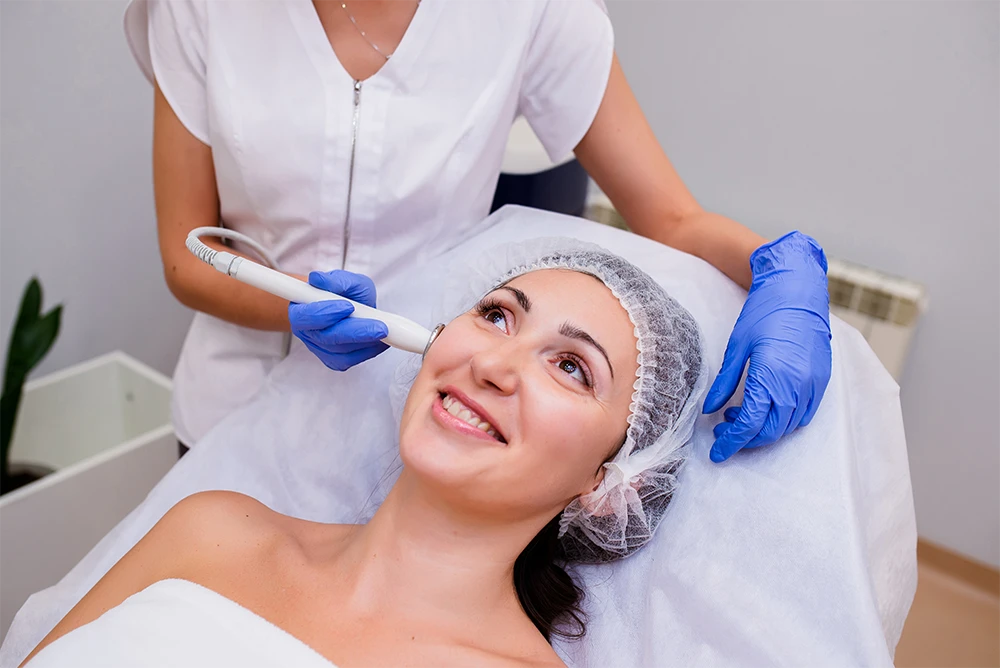
Hydrafacial is a non-invasive treatment that combines cleansing, gentle exfoliation, vacuum-assisted extraction, and intensive hydration in one procedure.
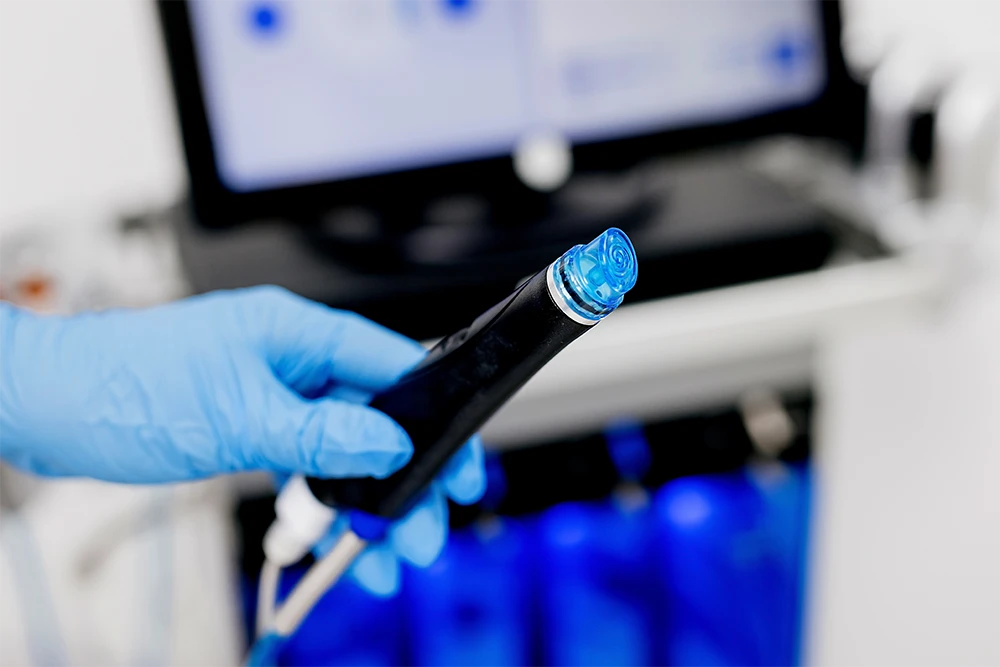
Using a patented vortex delivery system, the device removes surface debris and impurities while simultaneously infusing the skin with hydrating solutions containing ingredients such as hyaluronic acid, antioxidants, and peptides.
Unlike treatments that intentionally create significant exfoliation, Hydrafacial is designed to refresh the skin while minimizing irritation. Many patients choose it as part of a routine skincare maintenance plan because it provides immediate improvement in hydration and radiance with little to no downtime.
What Is a Chemical Peel?
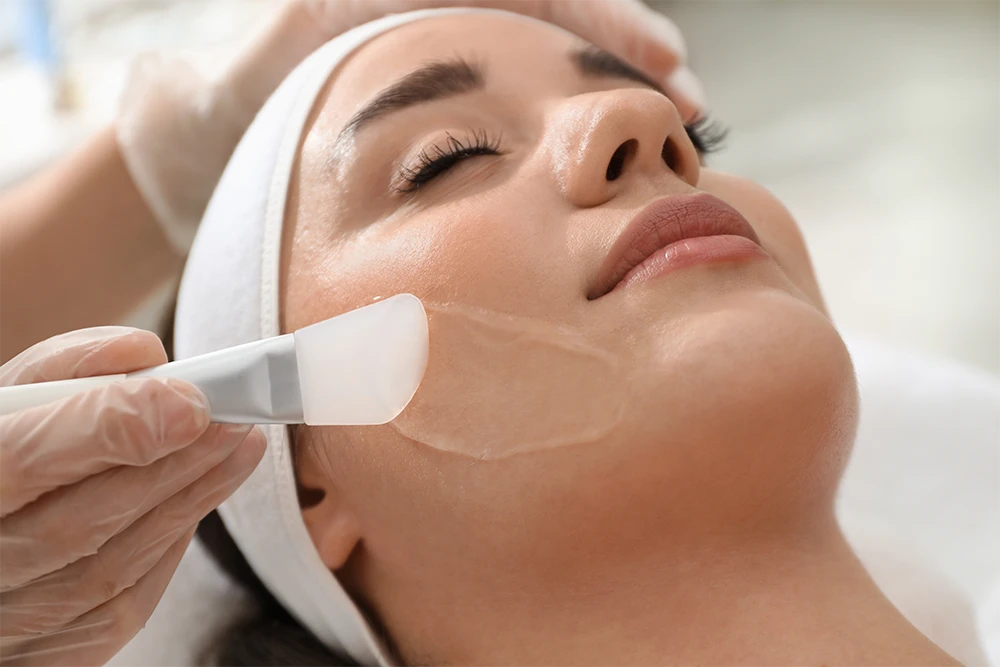
Chemical peels improve the skin by applying carefully selected acids that loosen the bonds between dead skin cells, allowing them to shed more efficiently.
Depending on the formulation, chemical peels may target the outermost layer of skin or penetrate more deeply to address concerns such as pigmentation, acne, uneven texture, and fine lines.
Superficial peels often use alpha hydroxy acids or beta hydroxy acids, while medium-depth peels may incorporate trichloroacetic acid. The appropriate peel depends on skin type, treatment goals, and medical history.
Unlike Hydrafacial, chemical peels intentionally stimulate visible exfoliation as part of the treatment process.
How the Treatments Work Differently
Although both procedures improve skin quality, they rely on different biological mechanisms.
Hydrafacial focuses on supporting skin health through cleansing, hydration, and gentle exfoliation. The treatment removes impurities while replenishing moisture, helping the skin barrier function more effectively.
Chemical peels create controlled injury within the superficial layers of the skin. This process stimulates increased cellular turnover, encouraging damaged cells to be replaced by newer ones over time.
Neither approach is inherently better. Each simply serves a different role within aesthetic skincare.
Which Treatment Is Better for Dry or Dehydrated Skin?
Patients experiencing dehydration often benefit from treatments that restore moisture while preserving the skin barrier.
Hydrafacial is particularly well suited for this concern because hydration is incorporated directly into the procedure. The treatment leaves many patients with skin that feels smoother, softer, and more comfortable immediately afterward.
Chemical peels can also improve overall skin quality, but temporary dryness and peeling are expected parts of the healing process. Patients whose primary concern is dehydration often begin with Hydrafacial before considering more intensive resurfacing treatments.
Which Treatment Is Better for Acne?
The answer depends on the type of acne.
Hydrafacial can help remove excess oil, surface debris, and impurities that contribute to congestion. Patients with oily skin or mild comedonal acne often appreciate the deep cleansing component of the treatment.
Chemical peels may be recommended when inflammatory acne or post-inflammatory discoloration is present. Certain peel formulations have been studied for their ability to reduce acne lesions while promoting healthier cell turnover.
Because acne varies significantly from one patient to another, treatment recommendations should always be individualized.
Which Treatment Is Better for Hyperpigmentation?
Uneven pigmentation often develops from sun exposure, inflammation, hormonal influences, or aging.
Chemical peels have long been used to improve certain forms of hyperpigmentation by accelerating exfoliation and encouraging replacement of pigmented surface cells.
Hydrafacial may contribute to a brighter complexion by removing surface debris and improving hydration, but it is generally not considered a primary treatment for significant pigmentation concerns.
Patients with melasma or persistent discoloration frequently benefit from a broader treatment strategy that may include topical medications, chemical peels, or light-based therapies.
Which Treatment Is Better for Fine Lines?
Fine lines develop through a combination of collagen loss, repetitive facial movement, dehydration, and environmental damage.
Hydrafacial can temporarily improve the appearance of fine lines by increasing hydration and creating a smoother skin surface.
Chemical peels may improve superficial fine lines by stimulating skin renewal over time.
When deeper wrinkles or skin laxity are present, other treatments such as RF microneedling, neuromodulators, or ultrasound-based collagen stimulation may also be considered.
Comparing Downtime
Recovery is one of the biggest differences between these procedures.
Hydrafacial generally requires little to no downtime. Mild redness may occur immediately after treatment but typically resolves within several hours.
Chemical peels often involve several days of visible exfoliation depending on the depth of the peel. Patients may experience redness, flaking, tightness, dryness, and temporary sensitivity as new skin emerges.
Lifestyle, work schedule, and upcoming events frequently influence which treatment is most appropriate.
Comparing Results
Hydrafacial often produces an immediate improvement in skin radiance, hydration, and smoothness. Many patients notice their complexion appears refreshed shortly after treatment.
Chemical peels generally require more patience. Improvements develop gradually as exfoliation occurs and new skin cells replace older ones.
Neither treatment permanently changes the skin. Ongoing maintenance and consistent skincare are essential for preserving results.
Can Hydrafacial and Chemical Peels Be Combined?
In many cases, yes.
Patients do not necessarily have to choose one treatment forever. Instead, providers often recommend different procedures at different stages of a skincare plan.
Hydrafacial may be incorporated as part of routine maintenance, while chemical peels are used periodically to address pigmentation, acne, or more significant texture concerns.
Timing and sequencing should always be determined through professional evaluation.
Who Is a Good Candidate for Hydrafacial?
Hydrafacial is often recommended for patients who want healthier-looking skin with minimal downtime.
Common concerns include dehydration, congestion, enlarged pores, dullness, and mild texture irregularities.
Individuals seeking routine skin maintenance frequently find Hydrafacial fits well into their long-term skincare strategy.
Who Is a Good Candidate for Chemical Peels?
Chemical peels may be appropriate for patients with uneven pigmentation, acne, superficial fine lines, or more pronounced texture concerns.
Treatment depth and formulation should always be selected according to skin type and medical history.
Patients should also be willing to follow post-treatment instructions carefully during the recovery period.
Why Professional Guidance Matters
Hydrafacial and chemical peels are not competing treatments as much as they are complementary tools.
One procedure focuses on hydration and skin maintenance. The other emphasizes controlled resurfacing and accelerated renewal. Choosing between them depends on your skin’s condition, your goals, and how much downtime you are comfortable with.
A professional consultation helps determine which treatment aligns best with your individual needs while reducing the risk of unnecessary irritation or unrealistic expectations.
A Clear Next Step
Hydrafacial and chemical peels each have an important place in modern aesthetic skincare. While both improve overall skin quality, they accomplish that goal through different approaches and are often recommended for different concerns.
The best treatment is the one that matches your skin, your lifestyle, and your long-term goals.
If you are unsure which option is right for you, a consultation provides the opportunity to evaluate your skin, discuss your concerns, and develop a personalized treatment plan.
Book a consultation at Covet Med Spa in Metro Detroit to discover whether a Hydrafacial, chemical peel, or customized combination of treatments is the best fit for your skin.