

Healthy skin is constantly renewing itself. Every day, older skin cells naturally shed while new cells move toward the surface to replace them. This ongoing process helps maintain the skin’s protective barrier, supports a smoother complexion, and contributes to overall skin health. As we age, however, cell turnover gradually slows. Dead skin cells can begin to accumulate, leaving the complexion looking dull, uneven, or rough.
Professional exfoliation is one way to support this natural renewal process. Among the most popular options available today is dermaplaning, a treatment that has gained attention for its ability to improve skin smoothness without significant downtime. Although many people recognize dermaplaning as the treatment that removes peach fuzz, its primary purpose is much more than hair removal.
When performed by a trained medical aesthetic provider, dermaplaning is a precise method of physical exfoliation that removes dead skin cells from the outermost layer of the skin while also eliminating fine vellus hair. The result is skin that often appears brighter, feels smoother, and provides a cleaner surface for skincare products and makeup application.
Despite its popularity, dermaplaning remains one of the most misunderstood aesthetic treatments. Questions about safety, hair growth, candidacy, and long-term benefits are common, making patient education an important part of the treatment process.
At Covet Med Spa in Metro Detroit, dermaplaning is approached as a clinically guided skincare treatment rather than simply a cosmetic service. Understanding how the procedure works and what it can realistically accomplish helps patients make informed decisions about whether it fits into their long-term skincare plan.
What Is Dermaplaning and How Does It Work?
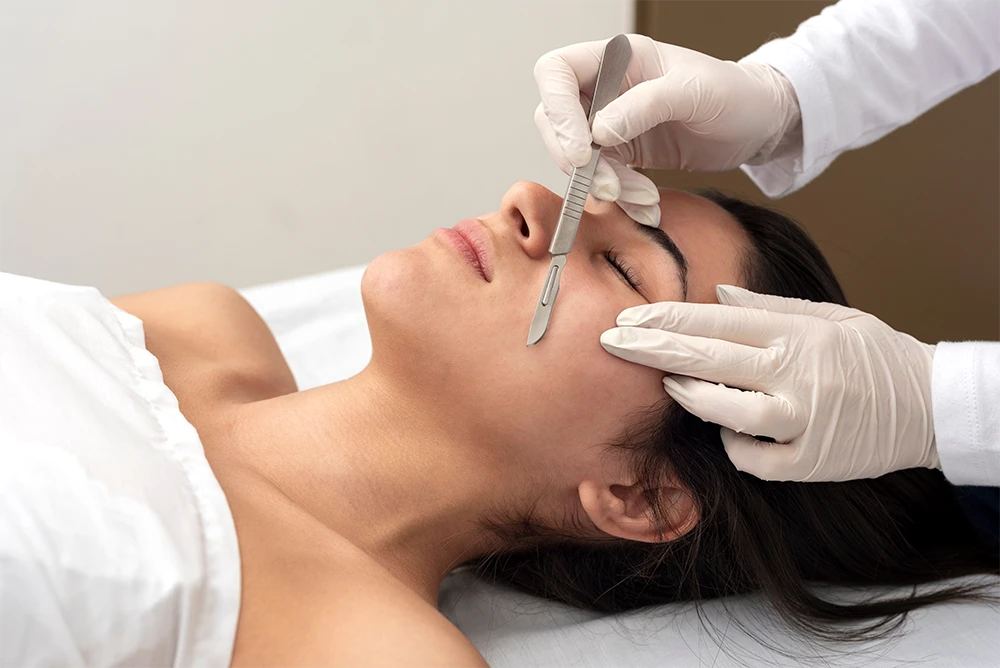
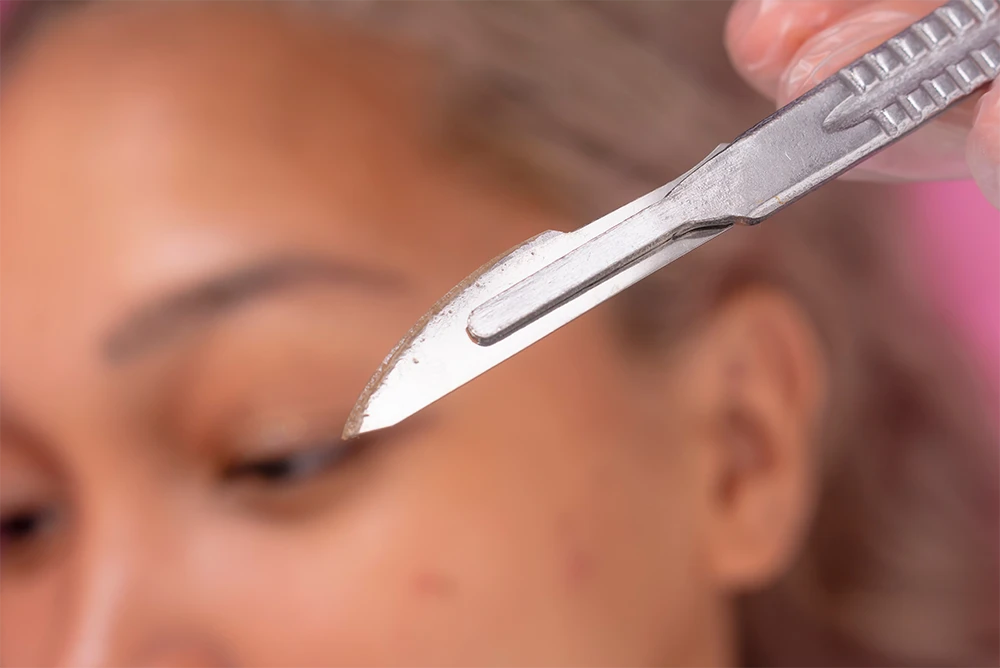
Dermaplaning is a non-invasive exfoliation treatment performed with a sterile surgical blade that is carefully passed across the surface of the skin at a precise angle. The blade gently removes accumulated dead skin cells along with fine vellus hair, often called peach fuzz, from the outermost layer of the epidermis.
Unlike treatments that rely on chemical exfoliation or abrasive crystals, dermaplaning uses controlled physical exfoliation. This technique allows providers to improve the skin’s surface without introducing acids or heat into the treatment process.
Because the procedure is highly controlled, only the superficial layer of dead skin cells is removed. The treatment does not cut deeply into the skin or damage healthy tissue when performed correctly. Instead, it creates a cleaner, smoother surface while preserving the integrity of the skin barrier.
Dermaplaning is frequently incorporated into comprehensive skincare plans because it complements other aesthetic treatments. A smoother skin surface may improve the application of topical skincare products and create a more even canvas for makeup, while routine professional exfoliation can help maintain a brighter complexion throughout the year.
Understanding the Skin’s Natural Renewal Process
The skin is the body’s largest organ and serves as a protective barrier against environmental stressors, bacteria, allergens, and moisture loss. Its outermost layer, known as the stratum corneum, is composed primarily of dead skin cells that are continually replaced through a process called desquamation.
In younger skin, this renewal cycle occurs relatively efficiently. New cells form in the deeper layers of the epidermis and gradually migrate upward before being naturally shed. As the process slows with age, older cells remain on the surface longer, contributing to rough texture, uneven tone, and a less vibrant appearance.
Environmental factors can further influence this cycle. Chronic sun exposure, pollution, smoking, dehydration, and certain skin conditions may interfere with healthy turnover, allowing surface buildup to become more noticeable over time.
Professional exfoliation treatments are designed to support this natural renewal process by removing accumulated dead skin cells in a controlled manner. Rather than forcing the skin to function differently, they help restore a smoother surface that reflects light more evenly and feels softer to the touch.
How Dermaplaning Works
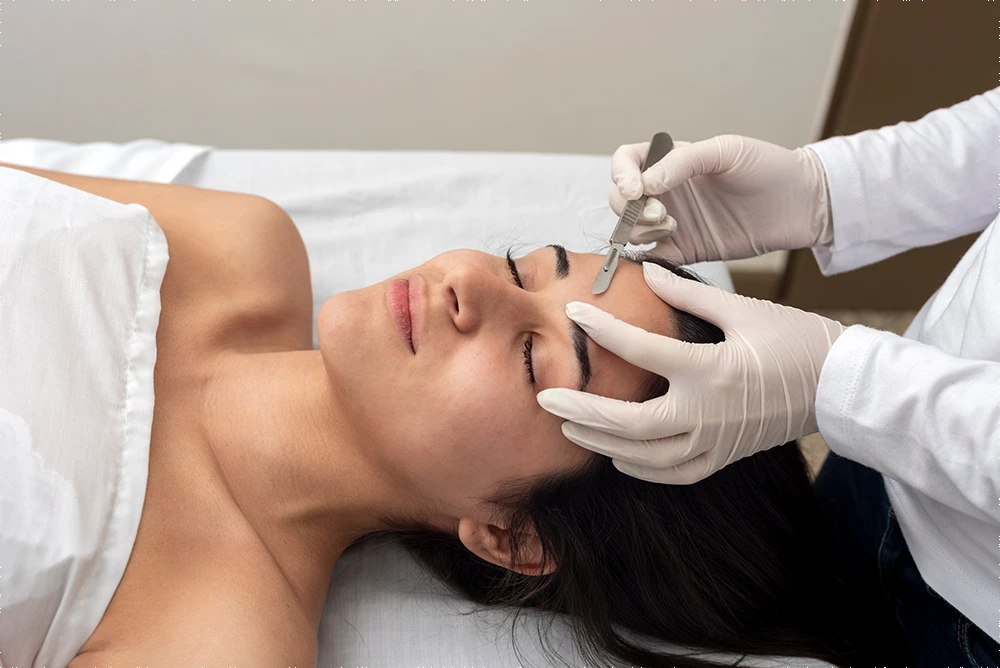
Dermaplaning works through carefully controlled physical exfoliation. During treatment, the provider holds the skin taut while gently gliding a sterile surgical blade across the surface using short, precise strokes.
As the blade moves across the skin, it lifts away the outer layer of dead skin cells together with fine vellus hair. Because these materials sit on the skin’s surface, their removal can immediately improve the way light reflects from the complexion, making the skin appear brighter and more refined.
The treatment itself is technique sensitive. Blade angle, pressure, stroke length, and treatment pattern all influence both safety and results. Proper training allows providers to remove surface buildup while protecting healthy tissue beneath.
Unlike shaving, dermaplaning is performed with a medical-grade blade designed specifically for professional exfoliation. The objective is not simply hair removal but controlled resurfacing that supports healthier-looking skin.
The Difference Between Vellus Hair and Terminal Hair
One of the biggest misconceptions surrounding dermaplaning involves the hair that is removed during treatment.
The fine hair found on most areas of the face is called vellus hair. Vellus hairs are soft, lightly pigmented, and much thinner than terminal hairs. They serve several biological functions, including contributing to normal skin sensation and helping regulate body temperature.
Terminal hair is very different. Eyebrows, eyelashes, the scalp, and much of the facial hair seen after puberty are composed of terminal hairs. These hairs are thicker, darker, and influenced by hormones rather than surface treatments.
Dermaplaning removes only the portion of the vellus hair that extends above the skin’s surface. The hair follicle itself remains completely intact beneath the skin. Because the follicle is not altered, dermaplaning cannot change the thickness, color, growth rate, or type of hair that eventually returns.
This distinction is important because many patients worry that dermaplaning functions like shaving and will somehow convert soft vellus hair into coarse terminal hair. Human hair biology simply does not work that way.
We’ll explore this topic in much greater detail in our next article, where we’ll examine one of the most common myths surrounding dermaplaning and explain why the belief that hair grows back thicker is not supported by dermatologic research.
Why Dermaplaning Does More Than Remove Hair
Although peach fuzz removal receives much of the attention online, the exfoliation component of dermaplaning is what makes the treatment valuable from a skincare perspective.
Dead skin cells naturally scatter light unevenly across the surface of the skin. As these cells accumulate, the complexion may appear dull or tired despite healthy skin beneath.
Removing this superficial buildup creates a smoother surface that reflects light more evenly. Many patients describe their skin as looking brighter almost immediately after treatment. Others notice that foundation applies more smoothly or that skincare products seem to absorb more evenly.
These improvements occur because the treatment addresses surface irregularities rather than changing the skin’s underlying structure. Dermaplaning should not be viewed as a replacement for collagen-stimulating procedures such as RF microneedling or ultrasound-based skin tightening. Instead, it occupies a different role within aesthetic medicine by refining the skin’s outermost layer.
What Skin Concerns Can Dermaplaning Help Address?
Dermaplaning is often recommended for patients seeking improvement in overall skin texture and appearance rather than correction of a single medical condition.
Many individuals pursue treatment because they notice persistent dullness, rough texture, or an uneven complexion despite following a consistent skincare routine. Others simply prefer a smoother surface for makeup application or want to remove fine facial hair before a special event.
Patients with dry skin sometimes benefit from professional exfoliation because accumulated surface cells can interfere with moisturizers reaching the outer skin layers effectively. Likewise, individuals concerned about mild textural irregularities may appreciate the immediate smoothness that follows treatment.
It is equally important to understand what dermaplaning does not treat. The procedure is not designed to tighten loose skin, eliminate deep wrinkles, remove significant acne scars, or treat active inflammatory acne. Those concerns often require different treatment approaches that target deeper layers of the skin.
What Does Dermaplaning Feel Like?
One of the reasons dermaplaning continues to grow in popularity is that most patients find the treatment comfortable. Unlike procedures that use heat, needles, or chemical exfoliants, dermaplaning relies on a controlled manual technique.
During the appointment, your provider gently glides a sterile surgical blade across the surface of the skin using light, precise strokes. Most patients describe the sensation as similar to a light brushing or gentle scraping. Pain is not expected, and numbing cream is generally unnecessary.
Treatment usually takes about 30 to 45 minutes, depending on the areas being addressed and whether dermaplaning is combined with other skincare services.
Is There Any Downtime?
Dermaplaning requires little to no downtime, making it an appealing option for patients with busy schedules.
Immediately afterward, the skin often looks brighter and feels exceptionally smooth. Mild redness may occur, particularly in individuals with sensitive skin, but it typically resolves within a few hours.
Although recovery is minimal, freshly exfoliated skin is temporarily more vulnerable to environmental exposure. Patients are generally advised to use sunscreen daily, avoid excessive sun exposure, and follow any post-treatment skincare recommendations provided by their provider.
Strong exfoliating products or active ingredients may also be paused briefly to allow the skin barrier to recover fully.
When Will You See Results?
One advantage of dermaplaning is that results are visible almost immediately.
After treatment, many patients notice smoother skin, improved radiance, and a softer overall texture. Makeup often applies more evenly because surface irregularities and fine facial hair have been removed.
Those improvements are temporary because the skin continues its normal renewal cycle. As new skin cells reach the surface and vellus hair gradually returns, the complexion slowly returns to its baseline.
Patients who enjoy the results often choose periodic maintenance treatments as part of their ongoing skincare routine.
Who Is a Good Candidate?
Dermaplaning is appropriate for many healthy adults looking to improve the appearance and feel of their skin.
Patients with dullness, dry surface skin, mild textural concerns, or fine facial hair often benefit from treatment. Many also choose dermaplaning before important events because it creates a smoother canvas for makeup application.
However, dermaplaning is not the right choice for everyone. Active inflammatory acne, open wounds, certain skin infections, or other conditions that compromise the skin may require postponing treatment or selecting a different approach.
A professional consultation helps determine whether dermaplaning is appropriate based on your skin type, medical history, and treatment goals.
Professional Dermaplaning vs. At-Home Facial Razors
Social media has introduced many people to facial shaving tools marketed for home use. While they may appear similar, they are not the same as professional dermaplaning.
Professional dermaplaning is performed using sterile, medical-grade surgical blades and follows established treatment techniques. Providers are trained to maintain the proper blade angle, pressure, and treatment pattern while evaluating the skin throughout the procedure.
At-home facial razors are intended primarily for hair removal. They do not offer the same level of precision, and improper technique may increase the risk of irritation, cuts, or uneven exfoliation.
Professional evaluation also allows treatments to be modified when certain skin conditions or contraindications are present.
Why a Dermatology-Guided Approach Matters
Not every patient benefits from the same treatment.
Some individuals are primarily concerned with dehydration, while others struggle with acne scars, pigmentation, fine lines, or skin laxity. Dermaplaning may be an excellent option for one concern but only a supporting treatment for another.
That is why treatment planning should begin with an assessment rather than the procedure itself.
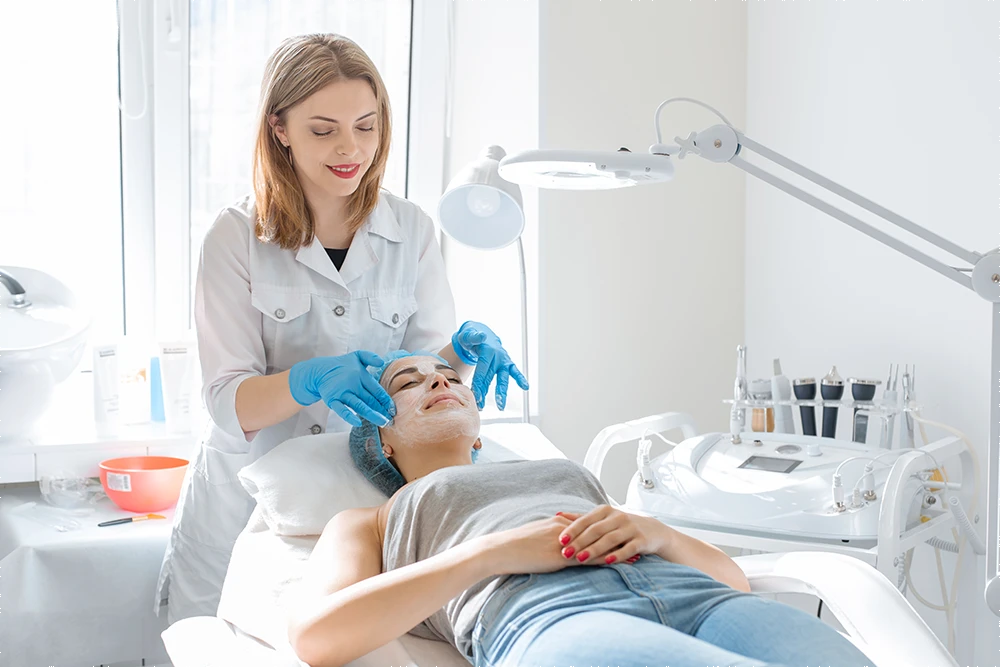
A dermatology-guided consultation considers skin type, barrier function, medical history, current skincare products, and long-term goals before recommending treatment. In some cases, dermaplaning works well as a standalone procedure. For others, it may be paired with Hydrafacial, chemical peels, broadband light therapy, or RF microneedling as part of a more comprehensive rejuvenation plan.
The objective is not simply smoother skin after one appointment. The goal is healthier skin over time through evidence-based care.
Building a Long-Term Skincare Routine
Dermaplaning works best when it is incorporated into a consistent skincare strategy.
Daily sunscreen remains one of the most important steps in maintaining skin health after any exfoliation treatment. A personalized skincare routine that includes gentle cleansing, appropriate moisturization, and active ingredients selected for your skin type can further support long-term results.
Professional treatments also have an important role. While dermaplaning improves the skin’s surface, other procedures may address concerns such as collagen loss, pigmentation, redness, or acne scarring. Combining treatments thoughtfully often produces more comprehensive results than relying on a single procedure alone.
A Clear Next Step
Dermaplaning is a professional exfoliation treatment that removes dead skin cells and fine vellus hair to reveal smoother, brighter-looking skin. When performed by a trained provider, it offers a safe, non-invasive way to refresh the complexion with little to no downtime.
Although the treatment is well suited for many patients, the best approach always begins with understanding your skin’s individual needs. A consultation allows your provider to evaluate your concerns, recommend the most appropriate treatments, and build a personalized skincare plan.
Book a consultation at Covet Med Spa in Metro Detroit to learn whether dermaplaning is the right treatment for your skin.
References
- Alam, M., White, L. E., Martin, N., Witherspoon, J., Yoo, S. S., West, D. P., & Moy, R. L. (2010). “Ultrasound Tightening of Facial and Neck Skin: A Rater-Blinded Prospective Cohort Study.” Journal of the American Academy of Dermatology.
- Fabi, S. G., & Massaki, A. B. (2014). “A Review of Ultrasound-Based Skin Tightening Technologies.” Journal of Clinical and Aesthetic Dermatology.
- White, W. M., Makin, I. R. S., Barthe, P. G., Slayton, M. H., & Gliklich, R. E. (2008). “Selective Creation of Thermal Injury Zones in the Superficial Musculoaponeurotic System Using Intense Ultrasound Therapy.” Archives of Facial Plastic Surgery.
- Shauly, O., Gould, D. J., Patel, K. M., & Stevens, W. G. (2023). “Radiofrequency Microneedling: Technology, Devices, and Applications.” Aesthetic Surgery Journal Open Forum.
- Ramaut, L., Hoeksema, H., Pirayesh, A., Stillaert, F., & Monstrey, S. (2018). “Microneedling: Where Do We Stand Now? A Systematic Review of the Literature.” Journal of Plastic, Reconstructive & Aesthetic Surgery.
- Navyadevi, U., et al. (2024). “Efficacy and Safety of Microneedling Radiofrequency in Acne Scars.” Journal of Cutaneous and Aesthetic Surgery.