
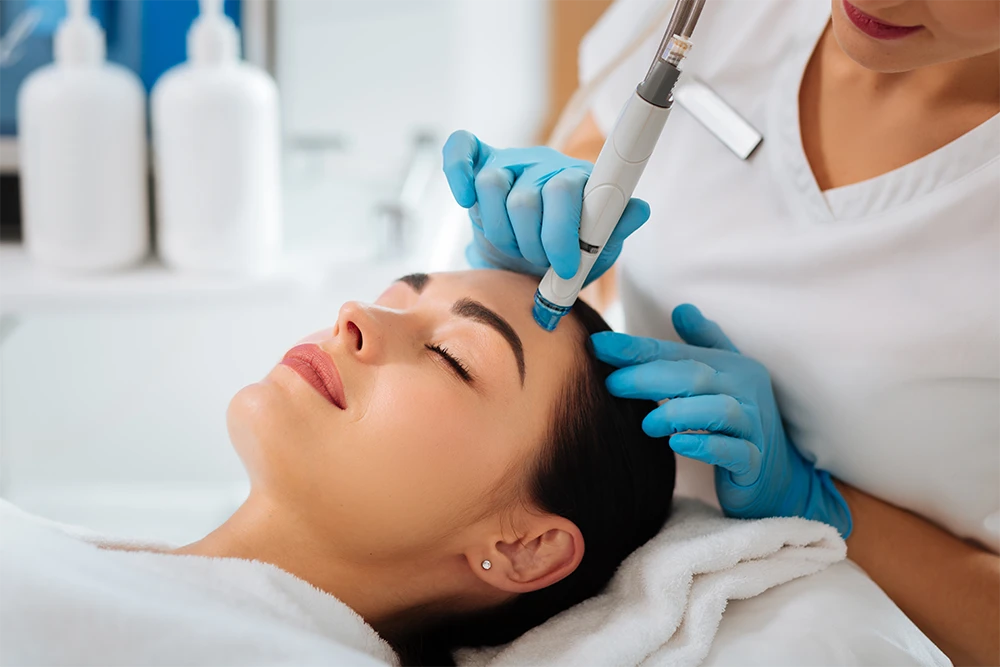

Hydrafacial is one of today’s most popular professional facial treatments because it combines cleansing, exfoliation, extraction, and hydration in a single appointment. At Covet Med Spa in Metro Detroit, Hydrafacial is used to support healthier skin, improve hydration, and address concerns such as congestion, uneven texture, and dullness with little to no downtime.
Among the most recognized treatments in aesthetic medicine is the Hydrafacial. Known for combining cleansing, exfoliation, extraction, and hydration into a single appointment, the treatment has become popular among patients looking to improve overall skin health without significant downtime.
Although Hydrafacial is widely available, many people are unsure how it actually works or whether it offers benefits beyond a traditional facial. Understanding the science behind the treatment can help clarify who may benefit from it and where it fits into a comprehensive skincare plan.
At Covet Med Spa in Metro Detroit, Hydrafacial is approached as more than a relaxing facial. It is a medically guided treatment designed to support healthy skin function while addressing concerns such as congestion, dehydration, uneven texture, and early signs of aging.
What Is a Hydrafacial?
Hydrafacial is a non-invasive skin resurfacing treatment that combines several skincare techniques into one procedure. Using a patented vortex delivery system, the treatment cleanses the skin, exfoliates dead surface cells, performs gentle extractions, and infuses the skin with hydrating serums formulated to support overall skin health.
Unlike many traditional facials that rely primarily on manual techniques, Hydrafacial uses a specialized handheld device that delivers solutions while simultaneously removing debris from the skin. This approach allows the treatment to cleanse pores while replenishing moisture at the same time.
Because the treatment is customizable, providers can tailor serum selection and treatment intensity to individual skin concerns. That flexibility makes Hydrafacial appropriate for many patients seeking healthier-looking skin without invasive procedures or prolonged recovery.
Understanding Healthy Skin
To understand why Hydrafacial can be beneficial, it helps to understand how healthy skin functions.
The outermost layer of the skin, known as the stratum corneum, serves as the body’s first line of defense. This barrier helps retain moisture while protecting against bacteria, pollution, allergens, and ultraviolet radiation. When the skin barrier becomes disrupted, patients may notice dryness, irritation, rough texture, or increased sensitivity.
Skin also undergoes continuous renewal. New cells are produced in deeper layers and gradually move toward the surface, where older cells are naturally shed. As this process slows with age, dead skin cells can accumulate, contributing to a dull complexion and uneven texture.
Professional treatments are designed to support these natural processes by removing surface buildup, improving hydration, and creating an environment that promotes healthier skin function.
How Hydrafacial Works
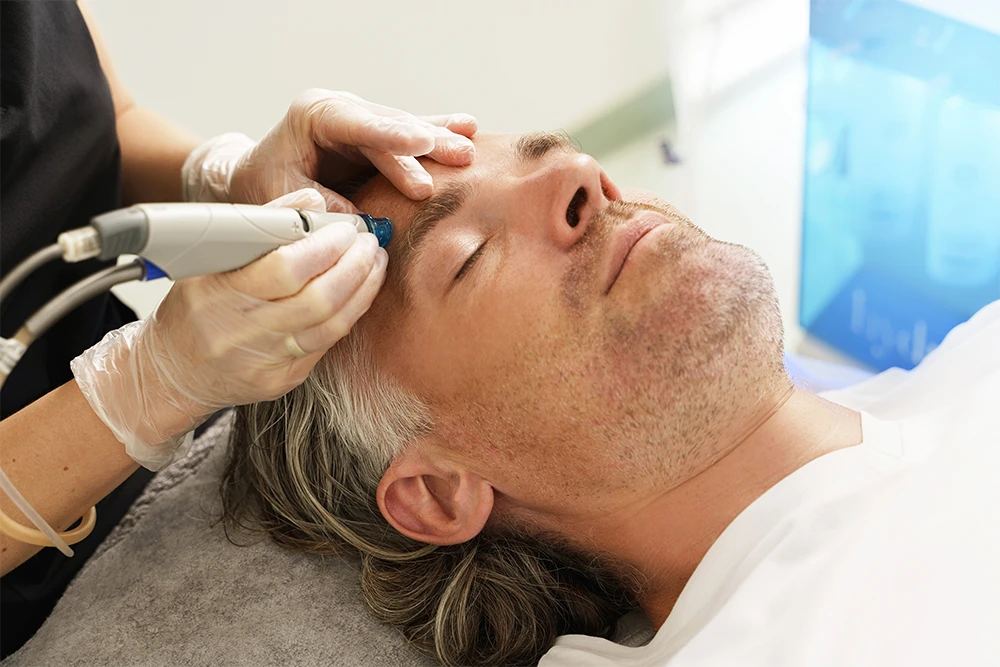
Hydrafacial combines several treatment steps into one appointment. Each stage is designed to prepare the skin for the next while minimizing irritation.
The treatment begins by cleansing the skin and gently exfoliating the outermost layer. This process removes accumulated dead skin cells and surface debris that can interfere with light reflection and leave the complexion looking dull.
Next, the device performs painless extractions using vacuum-assisted suction. Instead of relying on manual pressure, the Hydrafacial system helps lift impurities from congested pores while continuously bathing the skin with treatment solutions.
The final stage delivers hydrating serums containing ingredients selected to nourish and protect the skin. Depending on the patient’s needs, these formulations may include hyaluronic acid, peptides, antioxidants, or other ingredients designed to support skin health.
The Science Behind Cleansing, Exfoliation, and Hydration
Each component of Hydrafacial serves a different purpose within overall skin health.
Cleansing removes excess oil, environmental debris, sunscreen residue, and impurities that accumulate throughout daily life. Effective cleansing prepares the skin for subsequent treatment while supporting normal barrier function.
Exfoliation helps remove dead corneocytes from the skin surface. Controlled exfoliation has been shown to improve skin smoothness, enhance radiance, and increase the penetration of topical skincare products when performed appropriately.
Hydration is equally important. The skin barrier depends on adequate water content to maintain flexibility and function. When hydration declines, the skin may appear rough, tight, or less reflective of light.
Hydrafacial combines these processes into one treatment, creating an environment that supports healthier skin while minimizing unnecessary irritation.
Why Hydration Matters
Hydration is often confused with oil production, but they are not the same.
Even oily skin can become dehydrated. When water content within the skin decreases, the barrier may become less effective, contributing to rough texture, sensitivity, and an overall tired appearance.
One of Hydrafacial’s distinguishing features is its emphasis on replenishing hydration immediately following cleansing and exfoliation. By delivering moisturizing ingredients after impurities have been removed, the treatment helps support barrier recovery and improve skin comfort.
Healthy hydration also contributes to the appearance of smoother skin because well-hydrated tissue reflects light more evenly than dehydrated skin.
What Skin Concerns Can Hydrafacial Address?
Hydrafacial is commonly used to improve overall skin quality rather than treat a single isolated condition.
Patients often seek treatment for dullness, dehydration, enlarged pores, congestion, uneven texture, mild discoloration, and the early appearance of fine lines. Regular professional exfoliation may also complement a long-term skincare regimen by helping maintain smoother skin between seasonal changes.
Individuals with oily skin frequently appreciate the treatment’s ability to cleanse congested pores without overly stripping the skin. Patients with dry skin often notice improved comfort and hydration following treatment.
Hydrafacial is not intended to replace treatments designed for significant skin laxity, deep wrinkles, or extensive acne scarring. Instead, it serves as one component of a comprehensive skin health strategy.
What Does a Hydrafacial Feel Like?
Many patients describe Hydrafacial as comfortable and relaxing.
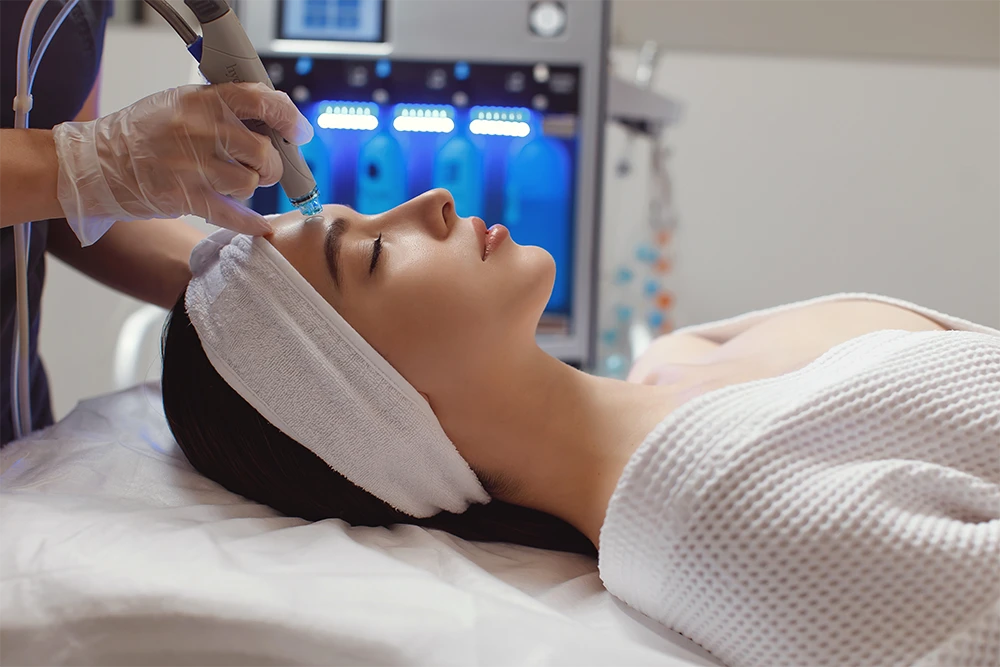
During treatment, the device glides across the skin while simultaneously delivering treatment solutions and gentle suction. Most people notice a cooling sensation accompanied by light pressure rather than discomfort.
Unlike more aggressive resurfacing procedures, Hydrafacial does not typically involve significant heat or prolonged irritation. The experience is often compared to a deep cleansing treatment with continuous hydration.
Because individual sensitivity varies, providers adjust treatment according to the patient’s skin type and overall goals.
Is There Any Downtime?
One reason Hydrafacial has become so popular is the minimal recovery associated with the procedure.
Most patients experience little to no downtime. Mild redness may occur immediately afterward, particularly in individuals with sensitive skin, but this generally resolves within several hours.
Normal daily activities can typically be resumed the same day. Providers may recommend avoiding harsh exfoliants or active skincare ingredients briefly after treatment to allow the skin barrier to recover fully.
Sun protection remains an important part of aftercare because freshly exfoliated skin may be more vulnerable to ultraviolet exposure.
When Will You See Results?
Many patients notice an improvement in skin radiance shortly after treatment. The complexion may appear cleaner, smoother, and more hydrated once the skin has recovered from cleansing and exfoliation.
Although immediate improvements are common, maintaining healthy skin requires consistency. Environmental exposure, natural aging, and normal skin turnover continue after every treatment.
Patients pursuing long-term skin health often benefit from periodic maintenance treatments combined with an individualized home skincare routine.
The exact treatment schedule depends on skin type, goals, seasonal factors, and provider recommendations.
Who Is a Good Candidate?
Hydrafacial is appropriate for many healthy adults seeking professional skin maintenance.
Patients with dullness, congestion, dehydration, mild texture concerns, or enlarged pores often benefit from treatment. Because the procedure is customizable, providers can modify treatment parameters based on individual skin characteristics.
Certain active skin conditions or infections may require postponing treatment until the skin has healed. A consultation allows providers to determine whether Hydrafacial is appropriate or whether another treatment may better address the patient’s concerns.
How Hydrafacial Differs From a Traditional Facial
Although both treatments aim to improve skin health, Hydrafacial differs from many traditional facials in several important ways.
Traditional facials often rely heavily on manual cleansing, massage, and extractions. Results can vary depending on technique and individual provider experience.
Hydrafacial incorporates a device-assisted delivery system that combines cleansing, exfoliation, extraction, and hydration in a standardized sequence. The controlled application of treatment solutions and vacuum-assisted technology provides a consistent approach while allowing customization for individual skin concerns.
Rather than replacing traditional facials, Hydrafacial offers a technology-driven option that complements modern aesthetic skincare.
Why a Dermatology-Guided Approach Matters
Healthy skin looks different for every patient. One individual may struggle with dehydration, while another is primarily concerned with congestion, pigmentation, or early signs of aging.
Selecting the right treatment begins with understanding those differences.
A dermatology-guided consultation evaluates skin quality, medical history, lifestyle factors, and long-term goals before recommending treatment. That process helps determine whether Hydrafacial alone is appropriate or whether it should be combined with treatments such as chemical peels, broadband light therapy, RF microneedling, or medical-grade skincare.
Rather than chasing trends, patients benefit most from treatments selected according to their skin’s specific needs.
Building a Long-Term Skin Health Plan
Healthy skin is the result of consistent care rather than a single treatment.
Professional treatments can support skin renewal, but daily sun protection, appropriate skincare, balanced nutrition, and regular follow-up all contribute to long-term skin quality.
Many patients choose to incorporate Hydrafacial into an ongoing skincare strategy because it supports healthy barrier function while complementing other aesthetic treatments.
Viewed as part of a comprehensive plan rather than a one-time solution, Hydrafacial can help patients maintain healthier-looking skin throughout the year.
A Clear Next Step
Hydrafacial combines cleansing, exfoliation, extraction, and hydration into a single treatment designed to support healthier skin. By improving surface texture, clearing congested pores, and replenishing moisture, it offers a non-invasive option for patients seeking refreshed, well-maintained skin with little to no downtime.
The best treatment plan begins with understanding your skin’s unique needs. A professional consultation allows your provider to evaluate your concerns, discuss realistic expectations, and recommend the approach that best supports your long-term skin health.
Book a consultation at Covet Med Spa in Metro Detroit to learn whether a Hydrafacial is the right addition to your skincare routine.
References
- American Academy of Dermatology Association. (2024). Skin Care Basics: Keeping Your Skin Healthy. American Academy of Dermatology.
- Draelos, Z. D. (2018). “The Science Behind Skin Care: Cleansing, Moisturization, and Barrier Repair.” Journal of Cosmetic Dermatology.
- Rawlings, A. V., & Harding, C. R. (2004). “Moisturization and Skin Barrier Function.” Dermatologic Therapy.
- Hydrafacial®. (2025). Hydrafacial Treatment Technology and Clinical Information. The Hydrafacial Company.
- Berson, D. S., et al. (2022). “Advances in Non-Invasive Facial Rejuvenation.” Journal of Clinical and Aesthetic Dermatology.
- Cleveland Clinic. (2024). Skin Barrier Function and Skin Health.