
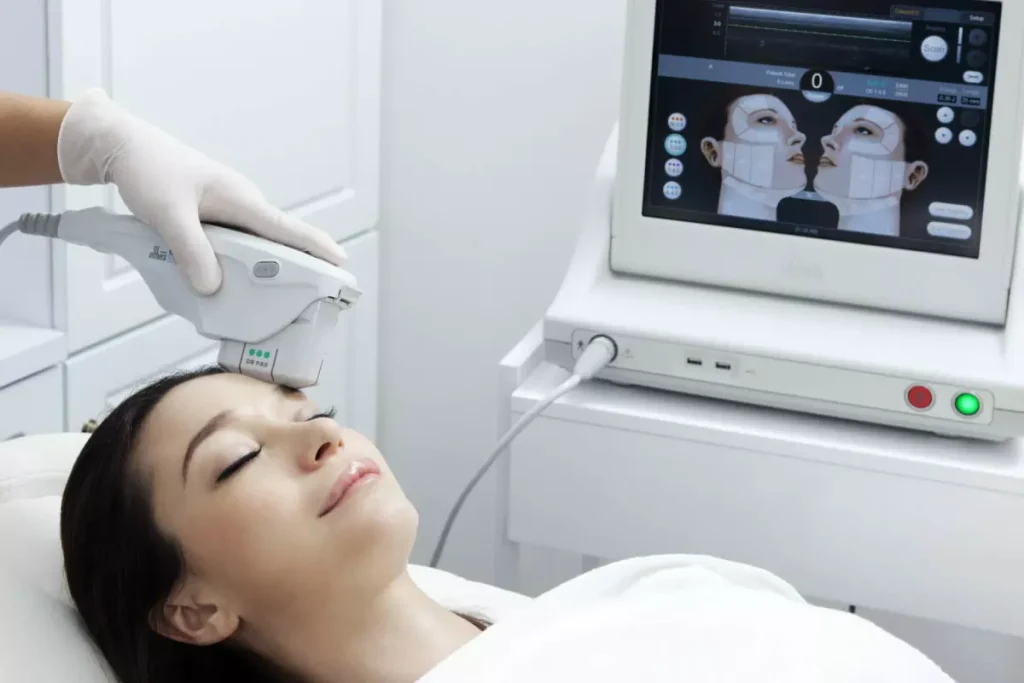

Skin changes are a natural part of aging. Over time, collagen production slows, elastin fibers become less resilient, and the structural support that keeps skin firm begins to weaken. These changes can contribute to mild skin laxity around the jawline, neck, under the chin, and brow area. While these shifts are completely normal, many people look for ways to maintain a firmer, more refreshed appearance without surgery.
For years, surgical lifting procedures were among the only options available for addressing loose skin. Today, advances in aesthetic medicine have expanded the range of non-surgical treatments designed to support collagen production and improve skin firmness. One of the most widely recognized treatments in this category is Ultherapy.
Ultherapy uses focused ultrasound energy to stimulate collagen production deep within the skin. Unlike treatments that primarily target the surface, Ultherapy reaches structural layers below the skin to encourage a gradual tightening response over time. The treatment has been studied extensively and remains one of the few non-invasive procedures cleared by the U.S. Food and Drug Administration for lifting the brow, improving lines and wrinkles of the upper chest, and lifting tissue beneath the chin and on the neck.
Understanding how Ultherapy works, what it can realistically accomplish, and who may benefit most from treatment can help patients make informed decisions about their skin rejuvenation options.
What Is Ultherapy?
Ultherapy is a non-invasive aesthetic treatment that uses microfocused ultrasound energy to stimulate collagen production in targeted tissues beneath the skin. The treatment was developed as a way to address mild to moderate skin laxity without incisions, anesthesia, or extended downtime.
Unlike many cosmetic procedures that focus primarily on the skin’s surface, Ultherapy delivers ultrasound energy at precise depths beneath the skin. This approach allows providers to target foundational support structures that contribute to skin firmness and elasticity.
One of the defining characteristics of Ultherapy is its use of real-time ultrasound imaging. During treatment, providers can visualize tissue layers beneath the skin and deliver energy to specific depths. This added level of precision helps guide treatment planning and energy placement.
Ultherapy is commonly used to treat areas such as the brow, jawline, under the chin, neck, and upper chest. Treatment plans are individualized based on anatomy, skin quality, and overall goals.
Understanding Skin Laxity and Collagen Loss
To understand how Ultherapy works, it helps to understand what happens to skin over time.
Collagen is the most abundant structural protein in the body. Within the skin, collagen helps provide strength, firmness, and support. Elastin fibers contribute flexibility and resilience, allowing skin to return to its original position after movement.
Beginning in early adulthood, collagen production gradually declines. Environmental factors such as ultraviolet radiation, smoking, chronic inflammation, and pollution can accelerate this process. As collagen decreases, the skin may appear thinner, less firm, and more prone to sagging.
Changes often become noticeable around the lower face and neck. The jawline may appear less defined, tissue beneath the chin may become more prominent, and skin on the neck may begin to loosen. Similar changes can occur around the brows and upper chest.
While skincare products can support skin health, they cannot consistently reach the deeper structural layers where significant collagen support exists. This limitation is one reason energy-based treatments such as Ultherapy have gained attention in aesthetic medicine.
How Ultherapy Uses Ultrasound Technology
Ultrasound has been used in medicine for decades. Most people are familiar with diagnostic ultrasound imaging, which uses sound waves to create images of structures inside the body.
Ultherapy uses ultrasound differently. Rather than creating images alone, the device delivers focused ultrasound energy into targeted tissue layers beneath the skin.
The energy creates precise thermal zones at specific depths. These microscopic treatment points trigger the body’s natural healing response while leaving surrounding tissue intact. As healing occurs, new collagen production and tissue remodeling begin.
Because the treatment bypasses the skin’s surface, there is typically minimal disruption to the epidermis. This allows providers to stimulate deeper structures without creating the recovery associated with more aggressive resurfacing procedures.
The process is often described as collagen stimulation from within. Instead of removing tissue or physically tightening skin, Ultherapy encourages the body to strengthen and remodel existing support structures over time.
Why Collagen Remodeling Takes Time
One of the most important concepts patients should understand is that Ultherapy results are gradual.
Many cosmetic procedures create immediate visible changes. Fillers restore volume at the time of injection. Neuromodulators reduce muscle activity within days. Surgical lifting procedures physically reposition tissue during the procedure itself.
Ultherapy works differently.
Following treatment, the body begins a repair response within the treated areas. New collagen production develops gradually as tissue remodeling progresses. Because collagen formation takes time, visible improvements often emerge over several weeks and months rather than immediately after treatment.
Some patients notice subtle changes early in the recovery process. More meaningful improvement typically develops gradually as collagen continues to rebuild.
This timeline is not a limitation of the treatment. Rather, it reflects the biological reality of collagen formation. The goal is not an instant transformation but a progressive improvement in skin support and firmness.
Areas Commonly Treated With Ultherapy
Ultherapy is most frequently used in areas where mild to moderate skin laxity is present.
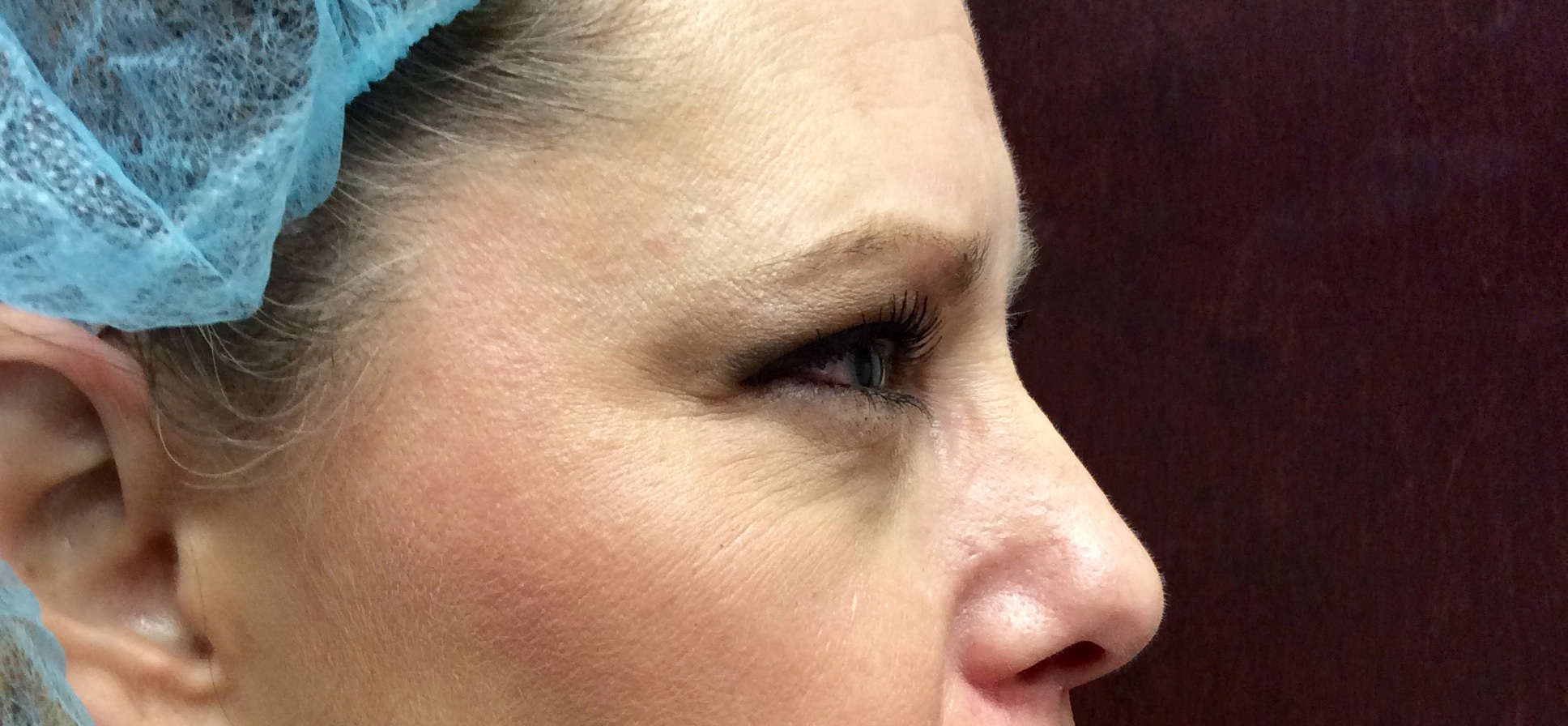
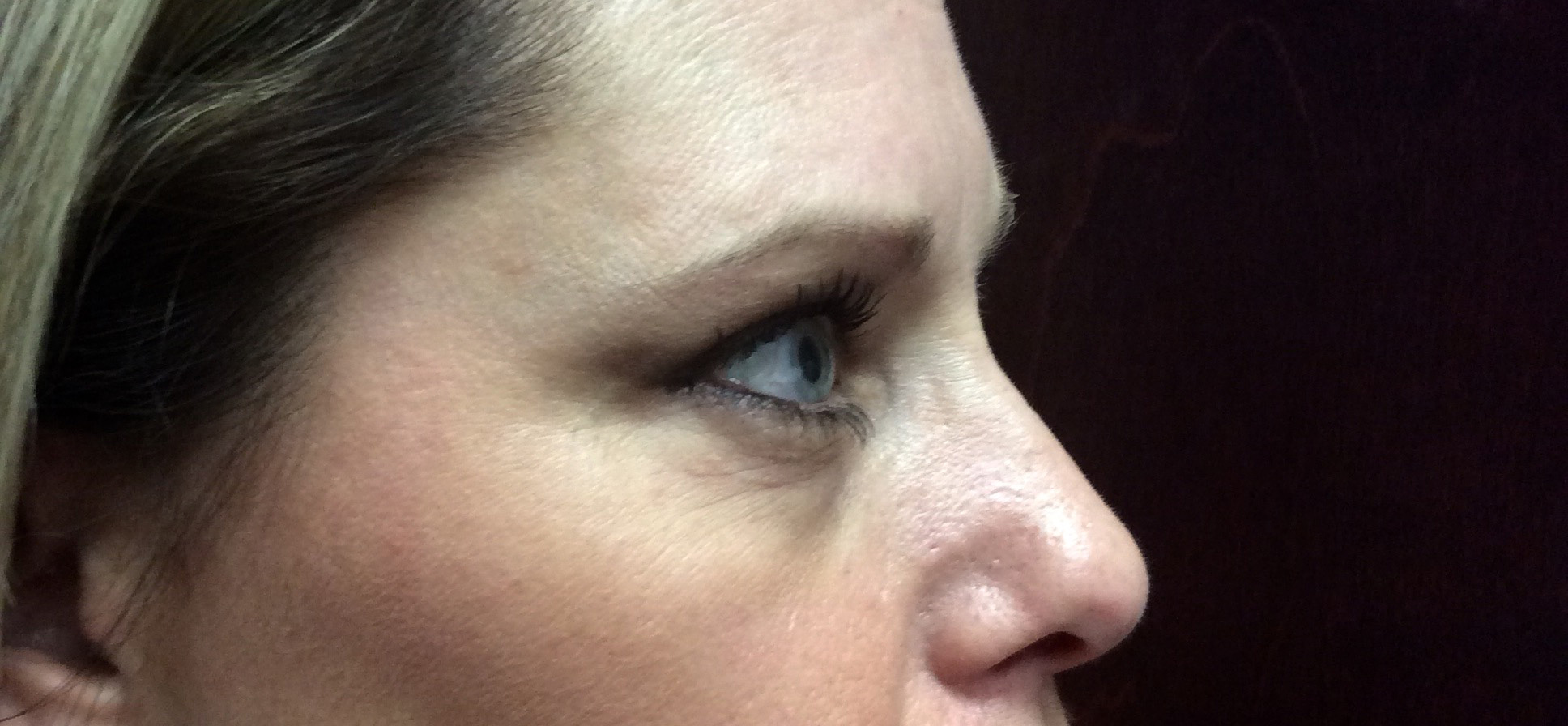
The brow area is one of the most established treatment locations. As collagen support decreases, the brows can gradually descend, contributing to a heavier appearance around the eyes. Ultrasound-based collagen stimulation may help create a subtle lifting effect in appropriately selected patients.
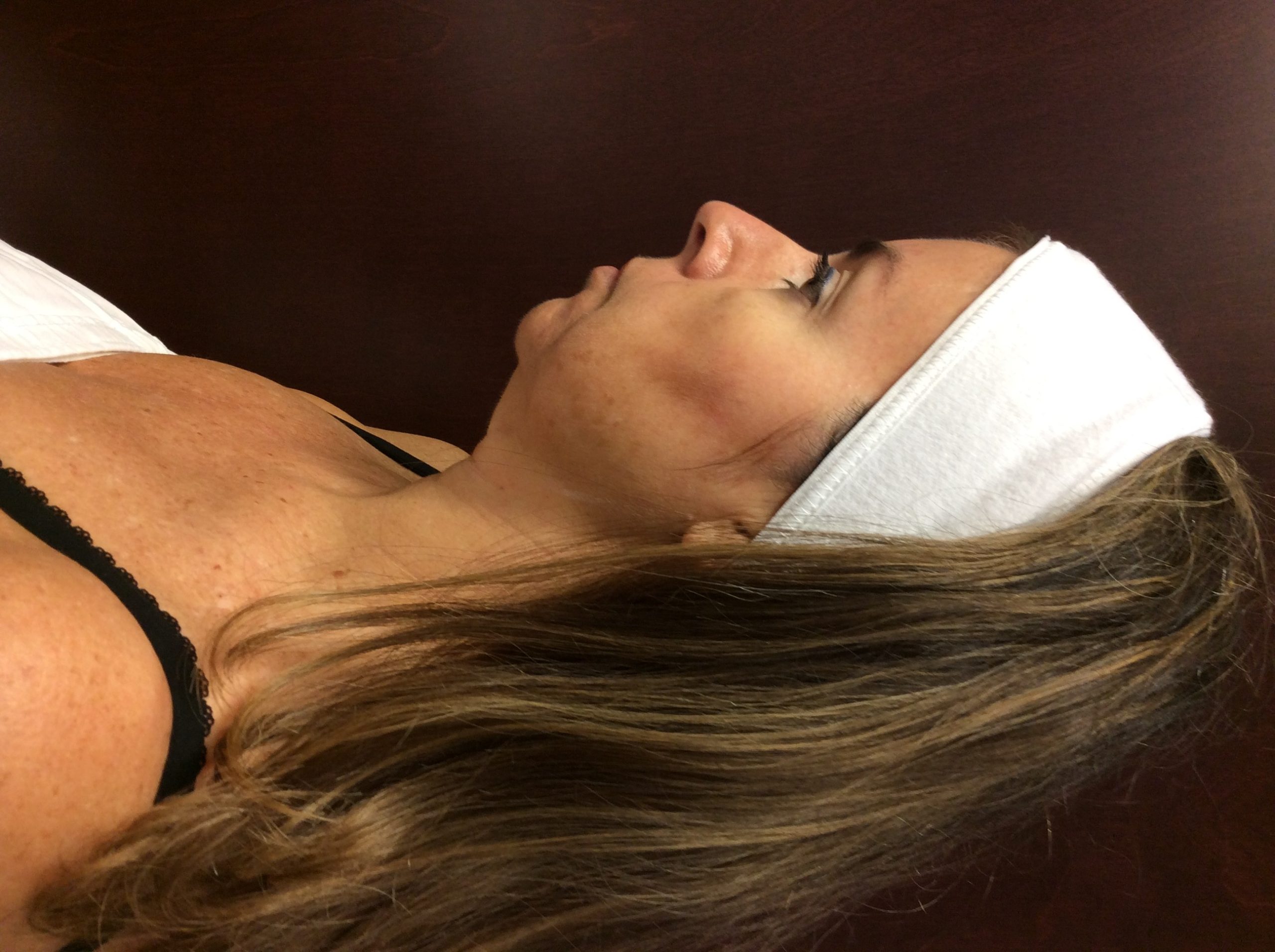
Treatment beneath the chin is also common. Mild laxity in this area can affect jawline definition and contribute to a softer facial profile. Supporting collagen production within deeper tissue layers may help improve the appearance of this region over time.
The neck is another frequently treated area. Skin on the neck tends to show signs of aging relatively early due to its thinner structure and ongoing movement. Ultherapy may help improve firmness in patients experiencing mild to moderate laxity.
Providers also use Ultherapy on the upper chest, often referred to as the décolletage. This area is particularly vulnerable to sun exposure and collagen loss. Treatment may help improve the appearance of lines and wrinkles over time.
What Does Ultherapy Feel Like?
Patient comfort is one of the most common questions during consultation.
Sensations vary depending on the treatment area, energy settings, and individual sensitivity. During treatment, patients may feel brief periods of heat, tingling, pressure, or deeper sensations as ultrasound energy reaches targeted tissue layers.
These sensations are generally temporary and occur while energy is being delivered. Once the treatment pulse is completed, the feeling typically resolves.
Comfort management strategies vary among providers. Treatment plans should balance patient comfort with the need to deliver appropriate energy levels for the intended outcome.
Although experiences differ from person to person, most patients are able to complete treatment without significant interruption to their daily activities afterward.
Recovery and Downtime
One reason Ultherapy remains popular is its minimal downtime profile.
Because the skin surface remains largely intact, patients generally do not experience the prolonged recovery associated with surgical procedures or aggressive resurfacing treatments.
Mild redness may occur immediately following treatment. Some individuals notice temporary swelling, tenderness, tingling, or sensitivity in the treated area. These effects are usually temporary and resolve as the skin recovers.
Most patients return to normal activities shortly after treatment. Skincare routines may be adjusted based on provider recommendations, particularly if additional treatments are part of a broader rejuvenation plan.
Recovery experiences vary from person to person, making individualized guidance important.
When Do Results Become Visible?
Ultherapy results develop gradually because collagen remodeling occurs over time.
Some patients notice subtle changes within the first several weeks. Tissue remodeling continues beyond this point, allowing improvement to build progressively.
Clinical studies evaluating microfocused ultrasound have demonstrated continued improvement for several months following treatment. Many providers discuss a timeline of approximately two to six months for collagen-related changes to become more apparent.
The exact timing depends on factors such as age, skin quality, collagen production, treatment area, and individual healing response.
Setting realistic expectations is important. Ultherapy is designed to support collagen remodeling rather than create immediate surgical-level lifting.
Who Is a Good Candidate for Ultherapy?
Ultherapy is generally considered for patients experiencing mild to moderate skin laxity who are interested in a non-surgical approach.
Candidates often notice early signs of aging around the jawline, neck, brow, or under-chin area. Skin may appear less firm than it once did, but significant excess tissue is usually absent.
Good candidates typically have realistic expectations regarding treatment outcomes. The goal is gradual improvement in firmness and support rather than dramatic repositioning of tissue.
Patients with more advanced skin laxity may benefit from alternative treatment options or surgical consultation. Determining candidacy requires an evaluation of skin quality, anatomy, treatment goals, and overall health history.
A consultation allows providers to assess these factors and recommend an individualized plan.
How Ultherapy Differs From Other Skin Tightening Treatments
Many non-surgical skin tightening treatments stimulate collagen, but the technologies involved differ significantly.
Radiofrequency treatments use electrical energy to generate controlled heat within tissue. RF microneedling combines radiofrequency energy with mechanical stimulation from needles. Laser devices use light energy to target specific structures within the skin.
Ultherapy relies on focused ultrasound energy.
One of the primary distinctions is treatment depth. Microfocused ultrasound can target deeper structural layers that are not typically reached by surface-oriented treatments. This characteristic contributes to Ultherapy’s role in addressing skin laxity and support.
Each technology has strengths and limitations. Some patients may benefit from a single modality, while others may see the best results through a combination approach designed around their specific concerns.
Treatment selection should always be guided by clinical evaluation rather than device popularity alone.
Why Professional Assessment Matters
Skin aging is complex. Two people of the same age may have entirely different concerns, tissue quality, and treatment goals.
One patient may primarily struggle with laxity. Another may be more concerned with pigmentation, redness, acne scars, or volume loss. Choosing the right treatment requires understanding which issue is driving the appearance of aging.
A professional consultation helps identify these factors before treatment begins.
Providers evaluate skin quality, tissue support, medical history, lifestyle influences, and aesthetic goals. This information helps determine whether Ultherapy is appropriate or whether another treatment may offer a better fit.
Thoughtful treatment planning often produces more satisfying outcomes than selecting a procedure based solely on marketing or trends.
A Long-Term Approach to Skin Rejuvenation
Ultherapy is often most effective when viewed as one component of a broader skin health strategy.
Collagen stimulation can improve firmness and support, but skin aging involves multiple factors. Sun exposure, pigmentation, volume loss, facial movement, hydration, and overall skin quality all contribute to appearance.
For that reason, treatment plans may include a combination of skincare, injectables, energy-based devices, and preventative measures depending on individual needs.
The objective is not simply tightening tissue. Instead, the goal is maintaining healthy, resilient skin through evidence-based care and personalized treatment planning.
A Clear Next Step
Ultherapy is a non-invasive treatment that uses microfocused ultrasound energy to stimulate collagen production beneath the skin. By targeting deeper support structures, it can help improve mild to moderate skin laxity around the brow, jawline, neck, under the chin, and upper chest.
Results develop gradually as collagen remodeling occurs, making realistic expectations and proper treatment planning essential. While Ultherapy is not a substitute for surgery, it remains one of the most established non-surgical options for patients seeking firmer-looking skin without incisions or extended downtime.
If you are considering non-surgical skin tightening, a consultation is the best way to determine whether Ultherapy aligns with your goals.
Book a consultation at Covet Med Spa in Metro Detroit to find out whether Ultherapy is right for your skin.
References
- Alam, M., White, L. E., Martin, N., Witherspoon, J., Yoo, S. S., West, D. P., & Moy, R. L. (2010). “Ultrasound Tightening of Facial and Neck Skin: A Rater-Blinded Prospective Cohort Study.” Journal of the American Academy of Dermatology.
- Fabi, S. G., & Massaki, A. B. (2014). “A Review of Ultrasound-Based Skin Tightening Technologies.” Journal of Clinical and Aesthetic Dermatology.
- Suh, D. H., Shin, M. K., Lee, S. J., Rho, J. H., & Lee, M. H. (2011). “Intense Focused Ultrasound Tightening in Asian Skin: Clinical and Pathologic Results.” Dermatologic Surgery.
- White, W. M., Makin, I. R. S., Barthe, P. G., Slayton, M. H., & Gliklich, R. E. (2008). “Selective Creation of Thermal Injury Zones in the Superficial Musculoaponeurotic System Using Intense Ultrasound Therapy.” Archives of Facial Plastic Surgery.
- American Society for Dermatologic Surgery (ASDS). “Skin Tightening and Ultrasound-Based Procedures.” ASDS Educational Resources.
- Ultherapy®. “Ultherapy Mechanism of Action and Clinical Information.” Merz Aesthetics.
- U.S. Food & Drug Administration (FDA). “510(k) Summary: Ulthera System.” FDA Medical Device Database.