
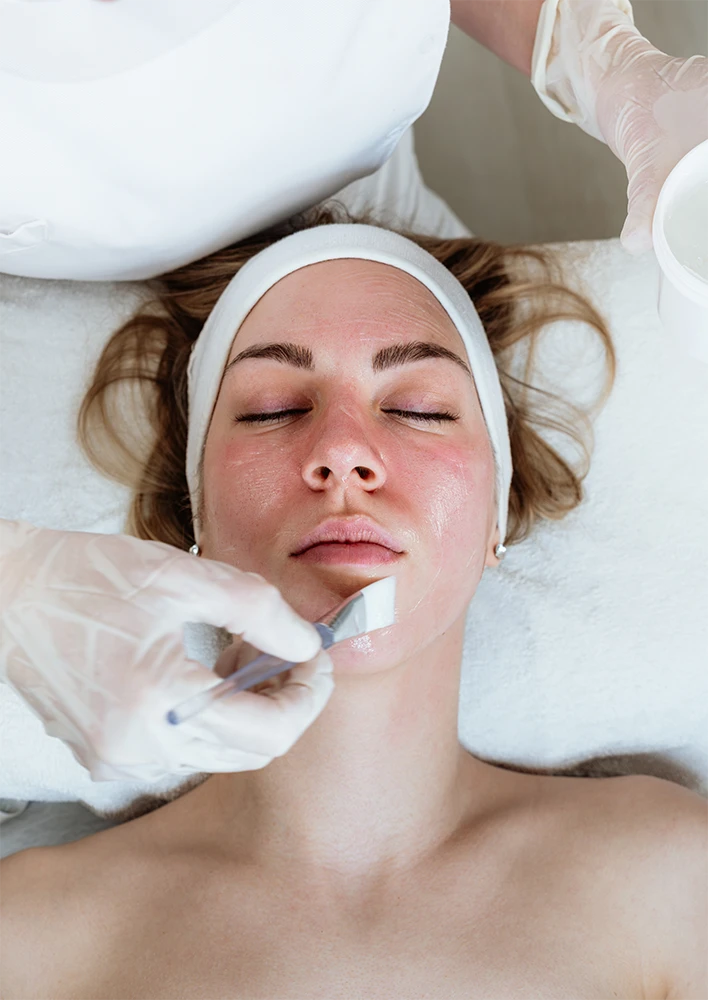

Choosing a chemical peel can feel confusing when several treatments promise smoother texture, clearer skin, and a more even complexion. The VI Peel is one option available at Covet MedSpa, but traditional peels containing salicylic acid, mandelic acid, pyruvic acid, or Jessner’s solution may also be appropriate, depending on your skin concerns.
The difference isn’t simply about which peel is stronger. Each formulation has its own ingredients, treatment characteristics, and potential applications. Your skin type, medical history, pigmentation concerns, and tolerance for recovery all influence which option makes sense.
At Covet MedSpa in Bingham Farms, patients can explore several professional chemical peel treatments. Understanding how the VI Peel compares with other options can help you prepare for a consultation and make a more informed decision about your skin.
What Is the VI Peel?
The VI Peel is a branded professional chemical peel developed by the Vitality Institute. Its formulations are designed to address selected concerns involving acne, uneven pigmentation, skin texture, and visible signs of aging.
Unlike a peel built around a single exfoliating acid, VI Peel formulations use combinations of ingredients. The exact formula depends on the product selected, so it is important to distinguish between the different VI Peel options rather than treating the entire product line as one treatment.
For example, VI Peel Purify with Precision Plus is designed for acne-prone skin and concerns such as post-inflammatory hyperpigmentation. Other formulations within the product line focus on different treatment goals.
Covet MedSpa offers the VI Peel as part of its chemical peel services. The practice describes it as a medium-depth peel and includes post-procedure products in its treatment offering.
A consultation helps determine whether the available VI Peel formulation fits your needs. It also provides an opportunity to discuss the expected peeling process, recovery requirements, and any factors that could increase your risk of irritation or pigmentation changes.
How Does the VI Peel Compare With Traditional Chemical Peels?
The primary difference is the formulation. Traditional chemical peels are often identified by their main exfoliating ingredient, while the VI Peel is a branded treatment system with multiple formulations.
That distinction matters because the ingredients, concentration, application protocol, and treatment depth influence how a peel behaves. Two treatments may address similar concerns without being interchangeable.
Here is a general comparison of the options available at Covet MedSpa.
| Treatment | Common treatment considerations |
|---|---|
| VI Peel | Selected cases of acne, uneven pigmentation, and texture concerns, depending on formulation |
| Salicylic acid peel | Acne-prone skin, clogged pores, and certain noninflammatory acne lesions |
| Mandelic acid peel | Selected cases of mild acne and uneven skin tone |
| Pyruvic acid peel | Selected acne, texture, and pigmentation concerns |
| Jessner’s solution | Selected acne, pigmentation, and signs of photoaging |
These categories are starting points, not guarantees. Clinical evidence varies by formulation, concentration, treatment protocol, and the condition being treated. Your provider should evaluate your skin before recommending one option over another.
VI Peel vs. Salicylic Acid Peel
Salicylic acid is a beta hydroxy acid commonly used in acne care. Because it is oil-soluble, it can penetrate into pores and help address the buildup associated with comedones, including blackheads and whiteheads.
A professional salicylic acid peel may be worth considering if your primary concerns include clogged pores, excess oil, or certain forms of acne.
The VI Peel may be an alternative for selected acne-prone patients, depending on the specific formulation. Some VI Peel products are designed to address both acne and the discoloration that can remain after breakouts.
The choice depends on what is happening in your skin. Someone with predominantly clogged pores may need a different approach from someone dealing with active acne and persistent dark marks.
Clinical research supports the use of several chemical peeling agents for acne, but it does not establish one universally superior option for every patient. A randomized controlled trial comparing Jessner’s solution with 30% salicylic acid found improvement in acne and post-acne pigmentation with both treatments in the study population.
Salicylic acid also has important precautions. Covet identifies aspirin allergy as a contraindication for its salicylic acid peel, so patients should disclose relevant allergies before treatment.
VI Peel vs. Mandelic Acid Peel
Mandelic acid is an alpha hydroxy acid used in professional exfoliation treatments. It may be considered for selected cases of mild acne, uneven skin tone, and other surface-level concerns.
Covet offers a mandelic acid peel for patients whose skin goals align with its intended applications. However, suitability depends on the formulation and the condition being treated.
The VI Peel offers a different approach because its branded formulations combine ingredients rather than relying on mandelic acid alone. Some formulations target multiple concerns, such as acne and post-inflammatory hyperpigmentation.
That doesn’t automatically make the VI Peel more effective. A combination formula may be appropriate for one patient, while a more targeted peel may be sufficient for another.
If your skin is easily irritated or you have a history of discoloration after inflammation, your provider should consider those factors before selecting either treatment.
VI Peel vs. Pyruvic Acid Peel
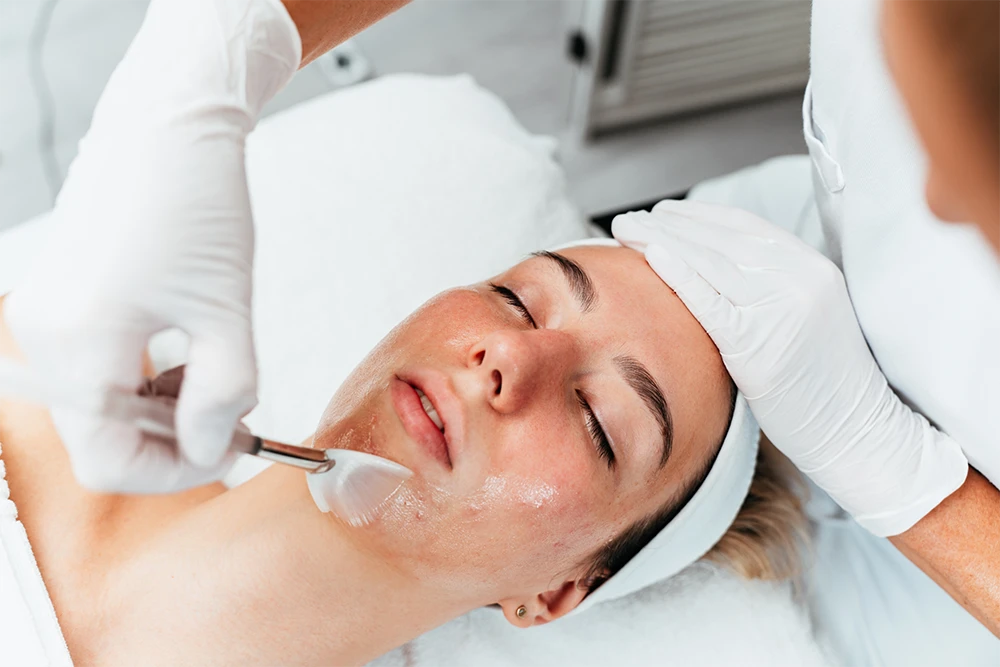
Pyruvic acid is used in professional peels for selected concerns involving acne, texture, and visible signs of photoaging. Its effects depend on the concentration, application protocol, and depth of treatment.
Research on pyruvic acid peels has shown potential benefits for acne and certain pigmentation concerns. However, individual studies have limitations, and results from one formulation cannot automatically be applied to every peel containing the same ingredient.
The VI Peel differs in its combined formulation and product-specific treatment protocols. Depending on the formulation, it may be considered for patients with acne, uneven pigmentation, or related concerns.
Neither treatment should be selected based on ingredient names alone. The provider must consider the target concern, skin sensitivity, medical history, and expected recovery.
VI Peel vs. Jessner’s Solution
VI Peel vs. Jessner’s Solution
Jessner’s solution is a traditional chemical peel containing a combination of exfoliating ingredients. Dermatology professionals may use it for selected cases of acne, uneven pigmentation, and photoaging.
It is a useful comparison because research has directly evaluated Jessner’s solution against salicylic acid peels for acne and post-acne pigmentation.
In a randomized, double-blinded, split-face study published in the International Journal of Dermatology in 2020, researchers treated 36 participants with skin of color using Jessner’s solution on one side of the face and 30% salicylic acid on the other. Both treatments improved acne and post-acne pigmentation, with no statistically significant difference in the overall outcomes between the two groups.
This study illustrates why a peel should not be judged by its name or perceived strength alone. It also does not establish that Jessner’s solution and the VI Peel produce equivalent results. The VI Peel is a separate branded treatment with its own formulations.
Your provider can explain whether Jessner’s solution or a branded combination peel is better suited to your particular concerns.
Which Peel Is Better for Acne and Acne Marks?
The answer depends on whether you’re treating active acne, clogged pores, or the discoloration that remains after inflammation.
Salicylic acid may be appropriate for selected patients with comedonal acne. Other formulations, including certain VI Peel options, may be considered when acne occurs alongside post-inflammatory hyperpigmentation.
However, active acne and acne scarring are not the same condition. A peel may improve some acne lesions and uneven pigmentation, but deeper indented scars may require a different treatment strategy.
Patients with painful cysts, significant inflammation, or ongoing scarring should discuss a broader acne management plan with a qualified medical provider. A chemical peel may complement other treatments, but it should not replace necessary medical care.
Do JUVÉDERM and Botox Have the Same Side Effects?
No. Because the treatments work differently, their potential adverse effects differ as well.
After JUVÉDERM injections, temporary swelling, redness, tenderness, bruising, itching, or firmness may occur around the treatment area. Dermal fillers also carry rare but serious risks, including accidental injection into a blood vessel, which can result in tissue injury, vision abnormalities, or stroke.
Botox injections can cause localized pain, bruising, swelling, or headache. Because Botox affects muscle activity, unintended spread of the product can occasionally cause temporary weakness of nearby muscles, depending on the treatment area.
Both treatments should therefore be administered by appropriately trained medical professionals who understand facial anatomy, product characteristics, dosing, and complication management.
Which Peel Is Better for Dark Spots and Uneven Pigmentation?
Pigmentation requires careful assessment because several conditions can look similar.
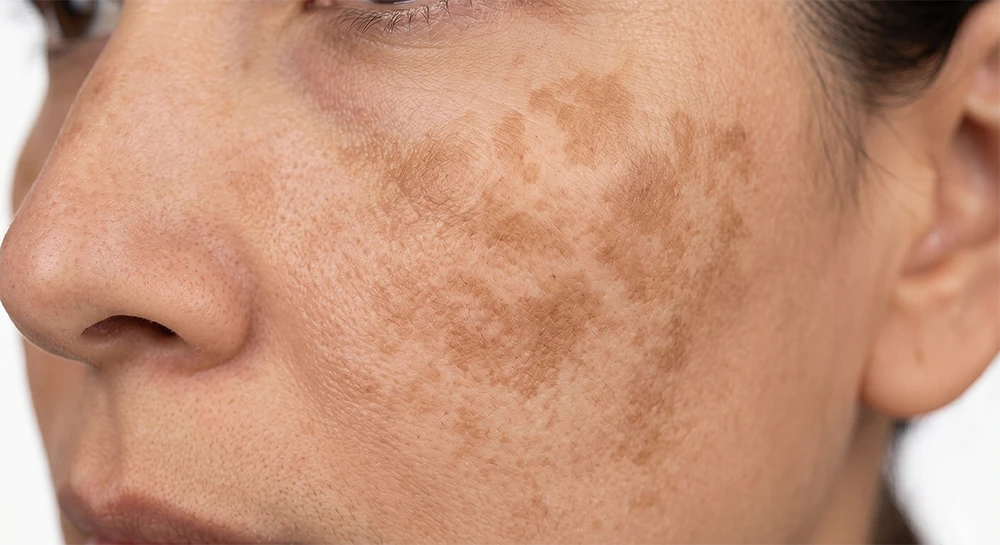
Post-inflammatory hyperpigmentation develops after inflammation, including acne. Sun-related spots develop through a different process, while melasma is a chronic pigmentary condition influenced by multiple factors.
Certain VI Peel formulations are specifically designed for pigmentation concerns. Jessner’s solution and other professional peels may also be considered for selected patients.
The important factor is identifying the cause of the discoloration before choosing a treatment. Irritation from an unsuitable peel can worsen pigmentation in susceptible skin, so more intensive treatment is not automatically better.
Patients with darker skin tones can be candidates for chemical peels, but treatment selection requires experience with skin of color and careful attention to the risk of post-inflammatory hyperpigmentation.
Sun protection and appropriate home skincare remain important parts of managing pigmentation, regardless of which peel is selected.
What About Downtime and Peeling?
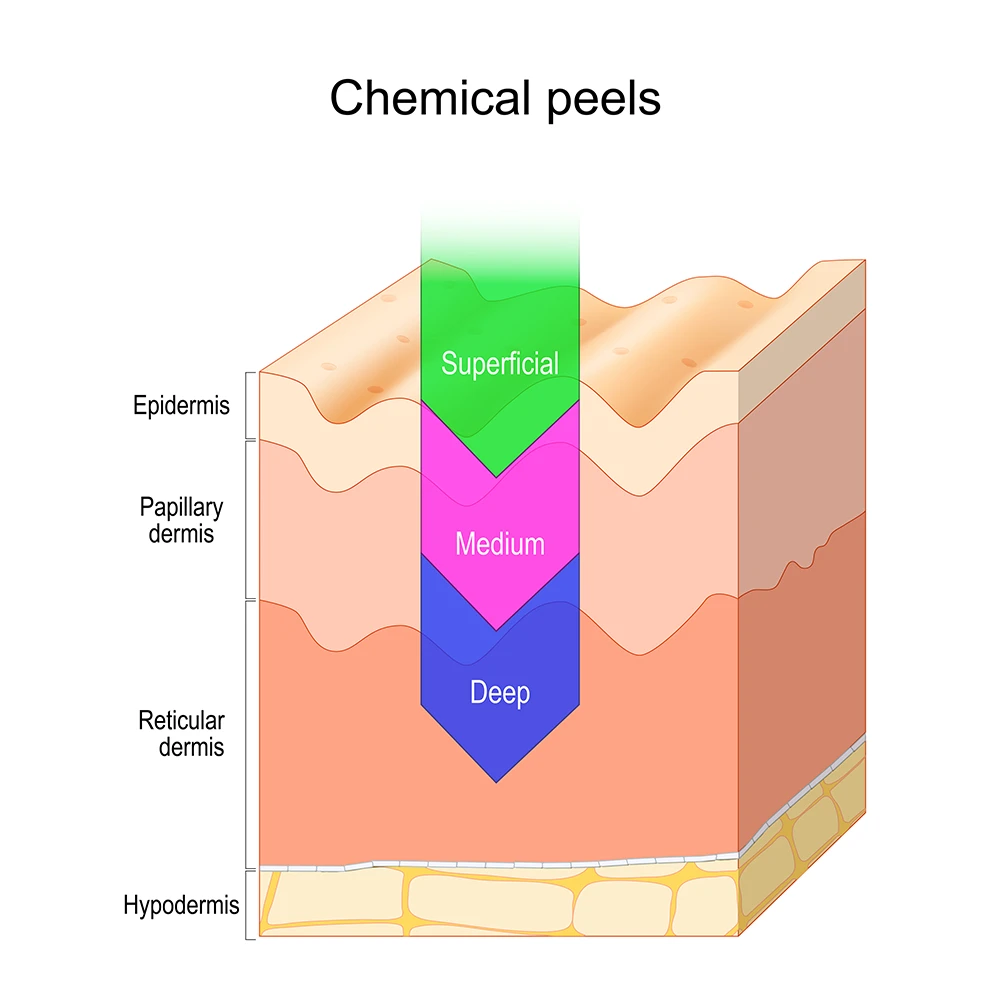
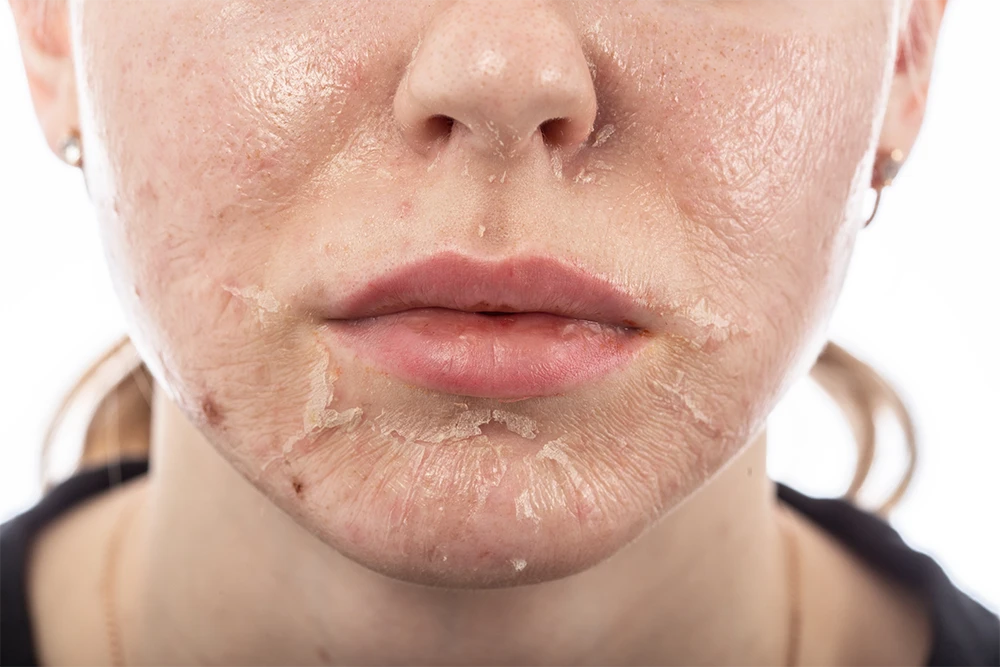
Recovery depends on the specific formulation, treatment depth, and your individual response. Some superficial peels cause temporary redness, dryness, or light scaling. Other treatments produce more noticeable peeling and require additional recovery time.
The VI Peel’s expected recovery should be discussed in the context of the particular formulation being used. Patients should not assume every VI Peel produces the same amount of visible peeling or follows an identical recovery schedule.
Traditional peels also vary considerably. A superficial salicylic acid peel and a more intensive treatment using Jessner’s solution may have different recovery requirements depending on how they are administered.
Visible peeling is not a reliable measure of effectiveness. Do not pick, pull, or scrub away peeling skin. Follow your provider’s instructions for cleansing, moisturizing, sun protection, and resuming active skincare products.
Before scheduling, consider your work commitments and upcoming events. Your provider should give you realistic recovery guidance for the specific treatment recommended.
Is the VI Peel Safe for Every Skin Type?
No peel should be assumed to be appropriate for everyone.
Some VI Peel formulations are marketed for use across a range of skin tones. Even so, individual suitability depends on the patient’s skin condition, medical history, the specific product, and the provider’s assessment.
Patients with a history of melasma, post-inflammatory hyperpigmentation, persistent irritation, or abnormal scarring should discuss these factors before treatment. Active skin infections, recent procedures, certain medications, and other medical considerations may also affect eligibility.
People with darker skin tones can receive chemical peels, but the choice of formulation and treatment depth is particularly important because inflammation may trigger unwanted pigmentation changes.
The American Academy of Dermatology recommends seeking care from a qualified professional with appropriate experience in chemical peels. Professional supervision and proper aftercare help reduce preventable risks.
How Do You Choose the Right Chemical Peel?
The best starting point is your primary skin concern, followed by a clinical assessment of your skin and medical history.
If clogged pores and acne are the main issues, a salicylic acid peel may be worth discussing. If acne occurs alongside persistent dark marks, a formulation designed to address both concerns may be considered. Other patients may benefit from a different peel or a treatment plan that combines professional procedures with appropriate home skincare.
Your provider should also explain what the peel can realistically achieve, how many sessions may be appropriate, and what recovery involves.
A consultation should leave you with a clear understanding of the recommended treatment and why it fits your needs. If another option is more appropriate, that should be part of the discussion as well.
Choosing a Chemical Peel at Covet MedSpa
The VI Peel is one option within a broader range of professional chemical peel treatments. Salicylic acid, mandelic acid, pyruvic acid, and Jessner’s solution each offer different characteristics, and the right choice depends on the concern being treated.
At Covet MedSpa in Bingham Farms, patients from Birmingham, Bloomfield Hills, Farmington, Southfield, and other Metro Detroit communities can explore chemical peel options with guidance from the practice’s medical aesthetics team.
If you’re deciding between the VI Peel and another chemical peel, book a consultation with Covet MedSpa to discuss your skin goals, medical history, and recovery expectations. A personalized assessment can help determine which treatment may be appropriate for your skin.
References
- American Academy of Dermatology Association. “Chemical Peels: FAQs.”
- Keri, J., & colleagues. (2018). “Chemical Peels in the Treatment of Acne: Patient Selection and Perspectives.” Clinical, Cosmetic and Investigational Dermatology, 11, 365–372.
- How, K. N., Lim, P. Y., Wan Ahmad Kammal, W. S. L., & Shamsudin, N. (2020). “Efficacy and Safety of Jessner’s Solution Peel in Comparison with Salicylic Acid 30% Peel in the Management of Patients with Acne Vulgaris and Postacne Hyperpigmentation with Skin of Color: A Randomized, Double-Blinded, Split-Face, Controlled Trial.” International Journal of Dermatology, 59(7), 804–812.
- Dayal, S., Amrani, A., Sahu, P., & Jain, V. K. (2017). “Jessner’s Solution vs. 30% Salicylic Acid Peels: A Comparative Study of the Efficacy and Safety in Mild-to-Moderate Acne Vulgaris.” Journal of Cosmetic Dermatology, 16(1), 43–51.