
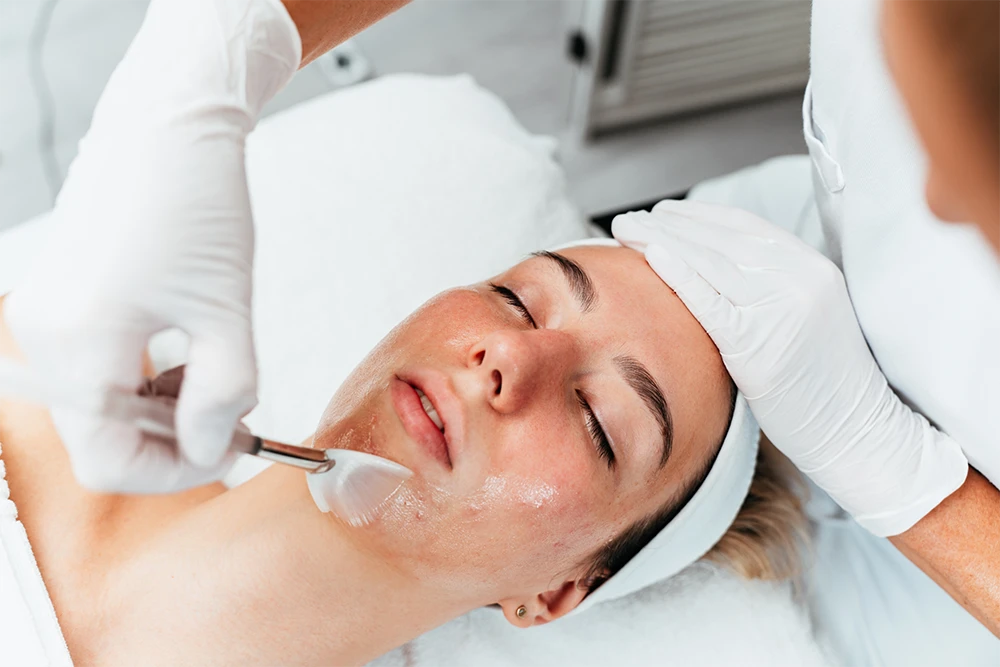

Chemical peels can address several common skin concerns, including acne, uneven pigmentation, rough texture, and visible signs of sun damage. However, choosing the right peel involves more than selecting a treatment based on a single concern. The formulation, treatment depth, skin sensitivity, medical history, and recovery expectations all influence which option may be appropriate.
At Covet MedSpa, patients can explore several chemical peel options designed for different skin concerns. These include salicylic acid, mandelic acid, pyruvic acid, Jessner’s solution, VI Peel, and specialized peels for the hands, eyes, and lips.
If you’re considering a chemical peel in Metro Detroit, understanding these differences can help you have a more productive consultation. The goal is to select a treatment that addresses your skin’s needs while accounting for its sensitivity and your ability to follow the recommended aftercare.
What Is a Chemical Peel?
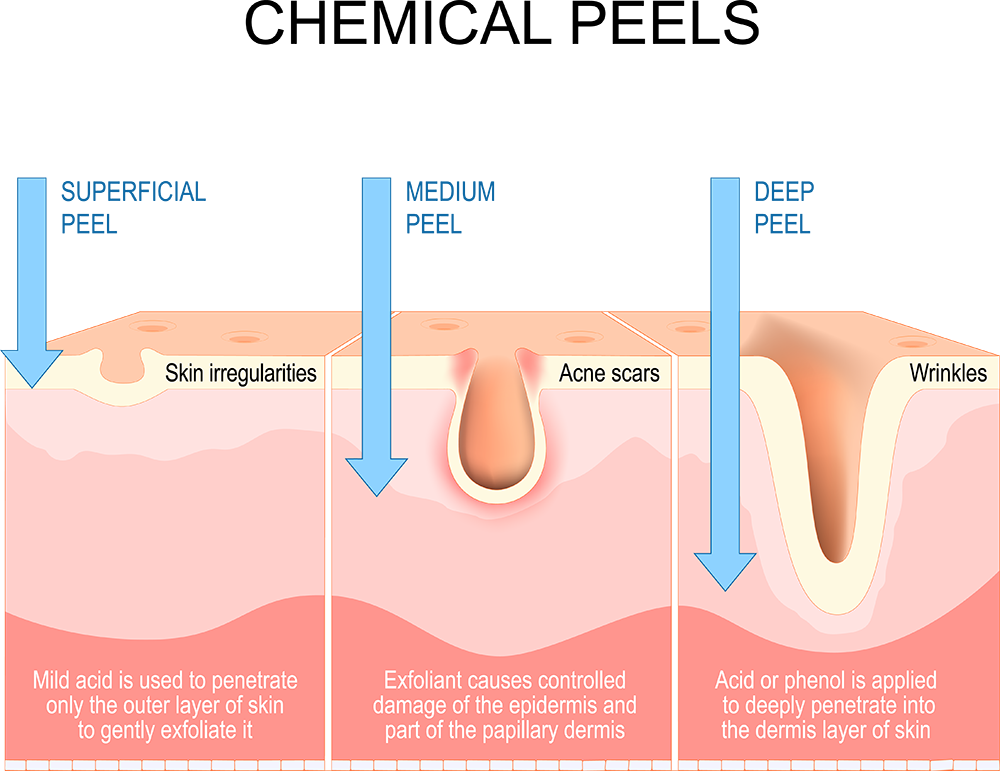
A chemical peel is a professional skin treatment that uses a chemical solution to produce controlled exfoliation. Depending on the formulation and treatment depth, a peel removes some of the outer skin layers and supports the renewal process as the skin heals.
Dermatology professionals use chemical peels to address concerns such as acne, uneven skin tone, certain types of hyperpigmentation, sun damage, fine lines, and rough texture. Results depend on the peel selected, the condition being treated, and individual skin characteristics.
Not every peel addresses every concern. A formulation that works well for acne-prone skin may not be the best starting point for someone whose primary concern is persistent discoloration or sensitivity.
Treatment depth also matters. Superficial peels target the outermost layers of skin, while medium-depth and deep peels affect progressively deeper tissue. Deeper treatment can involve longer recovery and greater risks, so it requires careful patient selection and appropriate medical oversight.
Which Chemical Peel Is Best for Your Skin Concern?
The first step is to identify what you want to improve. Acne, pigmentation, redness, and fine lines can overlap, but each concern has different causes. Your provider should assess those differences before recommending a specific peel.
Chemical Peels for Acne and Clogged Pores
Salicylic acid is a common option for acne-prone skin because it is oil-soluble and can help address clogged pores. Superficial salicylic acid peels may help improve certain acne lesions, including blackheads, whiteheads, and inflammatory blemishes.
This option may be worth discussing if you experience recurring breakouts, congestion, or oily skin. However, a chemical peel is not a complete acne treatment plan for everyone. Persistent inflammatory acne, painful nodules, or acne that causes scarring may require prescription medication or another dermatologic approach.
Your provider should also review allergies, current medications, and your existing skincare routine before treatment. For example, Covet’s service information identifies aspirin allergy as a contraindication for its salicylic acid peel.
Chemical Peels for Dark Spots and Uneven Skin Tone
Hyperpigmentation can develop for several reasons, including sun exposure, inflammation after acne, and melasma. Although these conditions can all appear as darker patches, they do not necessarily respond to the same treatment.
Jessner’s solution may be considered for selected patients with uneven pigmentation and sun-related changes. Other peel formulations may also be appropriate, depending on the cause and depth of the discoloration.
A careful assessment is particularly important for melasma and post-inflammatory hyperpigmentation. Skin irritation can trigger or worsen discoloration in susceptible individuals, so an aggressive peel is not automatically the best choice. Treatment planning may involve topical skincare, sun protection, and other therapies in addition to a peel.
Patients with darker skin tones can benefit from chemical peels, but the choice of agent, concentration, and depth requires specific consideration. Research highlights the importance of individualized treatment because post-inflammatory pigment changes and scarring can occur, especially when stronger peels are used inappropriately.
Chemical Peels for Fine Lines and Sun Damage
If your primary concerns are rough texture, mild discoloration, or early signs of photoaging, a peel may help improve the appearance of the skin’s surface.
Pyruvic acid and Jessner’s solution are among the options listed by Covet for selected concerns involving acne, pigmentation, texture, and visible signs of aging. The best choice depends on the patient’s skin condition and the intended treatment depth.
It is important to distinguish superficial skin changes from deeper wrinkles or significant skin laxity. A chemical peel may improve fine lines and surface irregularities, but it will not reproduce the effects of a surgical procedure or reliably correct pronounced skin laxity.
A consultation helps establish which changes a peel may realistically address and whether another treatment would be more appropriate.
Chemical Peels for Redness and Sensitive Skin
Redness requires a closer look before treatment. It may result from temporary irritation, a compromised skin barrier, acne-related inflammation, rosacea, or another dermatologic condition.
Mandelic acid is one option Covet lists for selected patients with mild acne, redness, and general unevenness in skin tone. However, no peel should be assumed to be suitable simply because redness is the main concern.
If your skin burns easily, flushes frequently, or reacts to many skincare products, tell your provider before scheduling. Active irritation or an uncontrolled skin condition may need attention before a peel is considered. The priority is to understand the cause of the redness and avoid aggravating it.
Understanding the Chemical Peels Available at Covet MedSpa
Covet offers several formulations and specialized treatment options. Each has different characteristics, so the following overview can help you prepare for a consultation. It is not a substitute for an individualized treatment recommendation.
Salicylic Acid Peel
Salicylic acid is commonly used for acne-prone skin and clogged pores. Its oil-soluble properties make it useful for addressing congestion within pores, particularly in selected patients with mild to moderate acne.
A provider will consider your acne pattern, skin sensitivity, allergies, and current medications before recommending this option.
Mandelic Acid Peel
Mandelic acid is an alpha hydroxy acid used in professional exfoliation treatments. Covet lists it for selected concerns involving mild acne, redness, and uneven skin tone.
The suitability of this peel depends on the formulation and your skin’s condition. A history of sensitivity or persistent redness should be discussed before treatment.
Pyruvic Acid Peel
Covet lists pyruvic acid for selected concerns involving acne, mild hyperpigmentation, texture, and visible signs of premature aging.
Because individual formulations and treatment protocols differ, the provider should explain the expected benefits, potential irritation, and recovery requirements for the specific peel being considered.
Jessner’s Solution
Jessner’s solution combines exfoliating ingredients and may be used for selected cases of acne, uneven pigmentation, and sun-related skin changes.
Its suitability depends on the formula, treatment depth, and patient characteristics. It should not be treated as a universal solution for every form of discoloration.
VI Peel
The VI Peel is a branded professional chemical peel used for selected skin concerns, including acne and uneven pigmentation. Covet describes it as a medium-depth treatment and provides post-procedure products as part of its offering.
The appropriate protocol depends on the specific VI Peel formulation and the patient’s assessment. Before treatment, ask about expected peeling, aftercare requirements, possible side effects, and the time needed for recovery.
Specialized Eye, Lip, and Hand Peels
Covet also offers peels intended for selected concerns involving the hands, eye area, and lips.
These areas have different anatomical and skin characteristics from the central face. Treatment therefore requires an appropriate formulation and technique for the intended area. Do not assume that a peel suitable for the cheeks can automatically be used around the eyes or lips.
For the hands, a peel may be considered for certain signs of photoaging and uneven pigmentation. Eye and lip treatments require particular care because irritation in these areas can be especially troublesome.
How Does Your Skin Type Affect the Choice?
Skin type is an important part of treatment planning, but it is not the only consideration. Your provider should also evaluate skin sensitivity, current inflammation, history of pigmentation changes, previous procedures, medications, and any tendency to develop raised scars.
People with darker skin tones can be candidates for chemical peels. However, some are more susceptible to post-inflammatory hyperpigmentation, which means selecting the appropriate peel and controlling treatment depth are especially important.
A history of melasma, prolonged discoloration after acne, keloid formation, or poor wound healing should be discussed during your consultation. These factors do not automatically rule out every peel, but they can affect the treatment plan.
Your current skincare routine matters as well. Prescription retinoids, exfoliating acids, acne medications, and other products may affect how your skin responds. Never stop a prescribed medication on your own. Instead, ask your provider for specific pre-treatment instructions.
How Much Downtime Should You Expect?
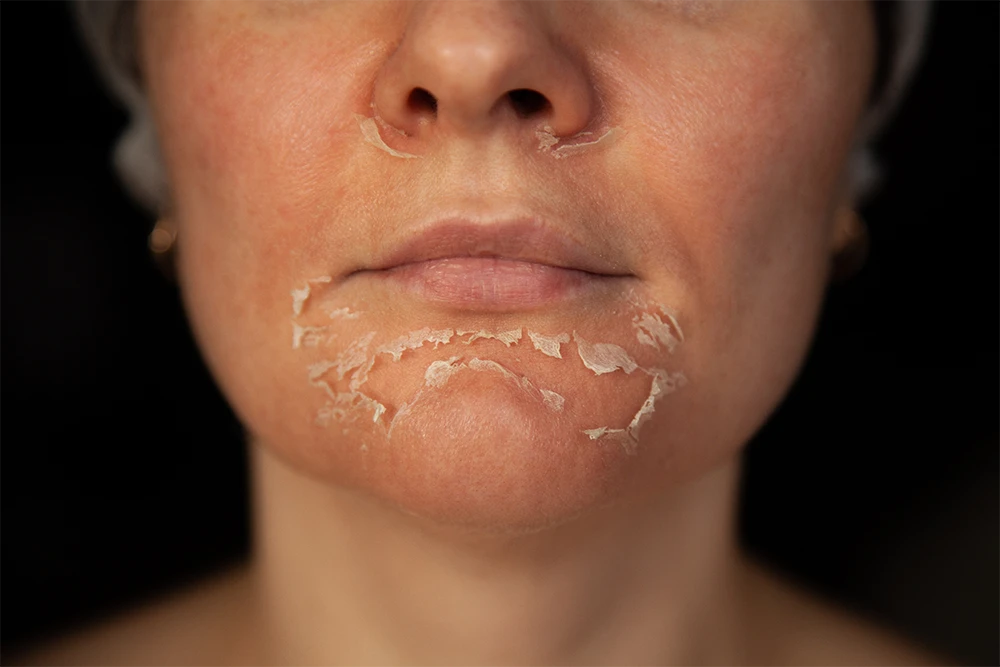
Recovery depends on the peel’s ingredients, concentration, depth, and your individual response. Some superficial peels cause temporary redness, dryness, or light scaling. Other treatments produce more noticeable peeling and require additional time away from certain activities.
A medium-depth peel may involve more significant redness, swelling, crusting, or peeling during healing. Deeper peels carry greater risks and substantially longer recovery requirements, so they are not interchangeable with lighter cosmetic peels.
Visible peeling is not a reliable measure of how effective a treatment has been. A peel can produce a useful response without dramatic sheets of shedding skin. Picking or pulling at peeling skin can increase irritation and the risk of complications.
Before booking, consider your work schedule, upcoming events, outdoor activities, and ability to follow the aftercare plan. Your provider should explain the expected recovery for the specific treatment being recommended rather than giving you a
What Should You Do Before and After a Chemical Peel?
Preparation and aftercare help protect the skin while it recovers. Your provider may recommend a pre-treatment skincare plan based on your skin condition and the peel being used.
Before treatment, disclose your medical history, allergies, medications, recent procedures, history of cold sores, and any active skin irritation. Follow the specific instructions provided by your clinician, including guidance about skincare products and sun exposure.
After a peel, use only the products and cleansing routine recommended for your recovery. Avoid picking, scrubbing, or prematurely removing peeling skin. Protect the treated area from sunlight and use sunscreen as directed once appropriate for your healing skin.
Contact your provider if you develop symptoms that are more severe than expected, such as increasing pain, marked swelling, blistering, or signs of infection. Following the aftercare instructions is an important part of minimizing preventable complications.
Who Is a Good Candidate for a Chemical Peel?
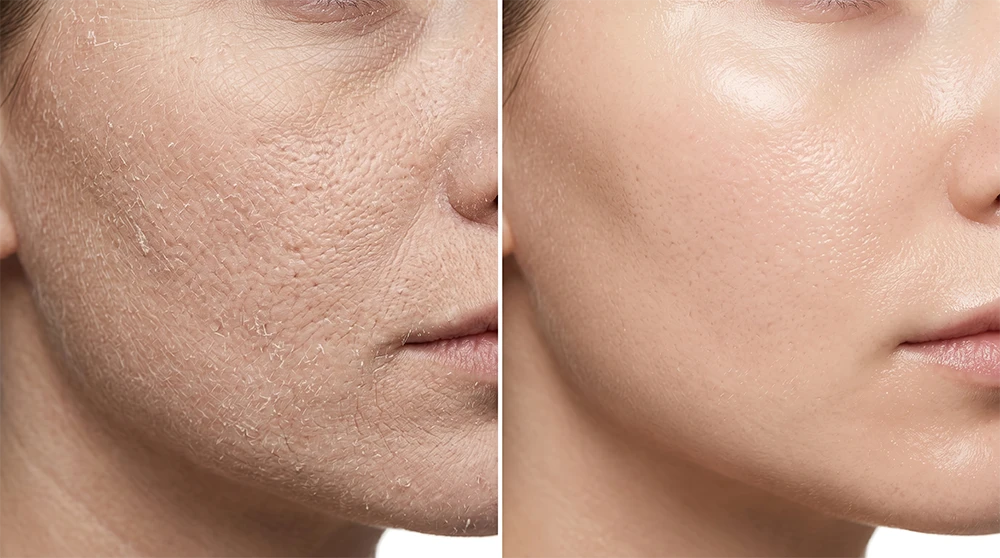
A good candidate is someone whose skin concern may respond to the selected peel and whose skin can tolerate the planned treatment and recovery process.
The decision requires more than matching a product to a symptom. Your provider should evaluate whether the concern is likely to respond, whether another treatment may be more effective, and whether the potential benefits justify the risks.
Some patients may need to address active inflammation or adjust their skincare routine before proceeding. Others may benefit from a series of superficial peels rather than one more intensive treatment. In certain cases, a chemical peel may not be the best option at all.
The purpose of a professional consultation is to make that distinction before treatment begins.
Choosing a Chemical Peel at Covet MedSpa
With several chemical peel options available, choosing the right one starts with a clear understanding of your skin and your goals. Salicylic acid may be relevant for selected acne concerns, while other formulations may be considered for uneven pigmentation, surface texture, or visible signs of photoaging.
No single peel is best for everyone. Treatment depth, formulation, skin sensitivity, medical history, and recovery expectations all influence the decision.
Covet MedSpa serves patients in Bingham Farms and surrounding Metro Detroit communities, including Birmingham, Bloomfield Hills, Farmington, Southfield, and West Bloomfield.
If you’re considering a chemical peel, book a consultation with Covet MedSpa to discuss your skin concerns and determine which treatment options may be appropriate. A personalized assessment can help you understand the expected benefits, recovery process, and realistic results before you commit to treatment.
References
- American Academy of Dermatology Association. “Chemical Peels: FAQs.”
- Soleymani, T., Lanoue, J., & Rahman, Z. (2018). “Chemical Peels in the Treatment of Acne: Patient Selection and Perspectives.” Clinical, Cosmetic and Investigational Dermatology, 11, 365–372.
- Khunger, N. (2008). “Standard Guidelines of Care for Chemical Peels.” Indian Journal of Dermatology, Venereology and Leprology, 74(Suppl), S5–S12.
- Davis, E. C., & Callender, V. D. (2010). “Postinflammatory Hyperpigmentation: A Review of the Epidemiology, Clinical Features, and Treatment Options in Skin of Color.” Journal of Clinical and Aesthetic Dermatology, 3(7), 20–31.