
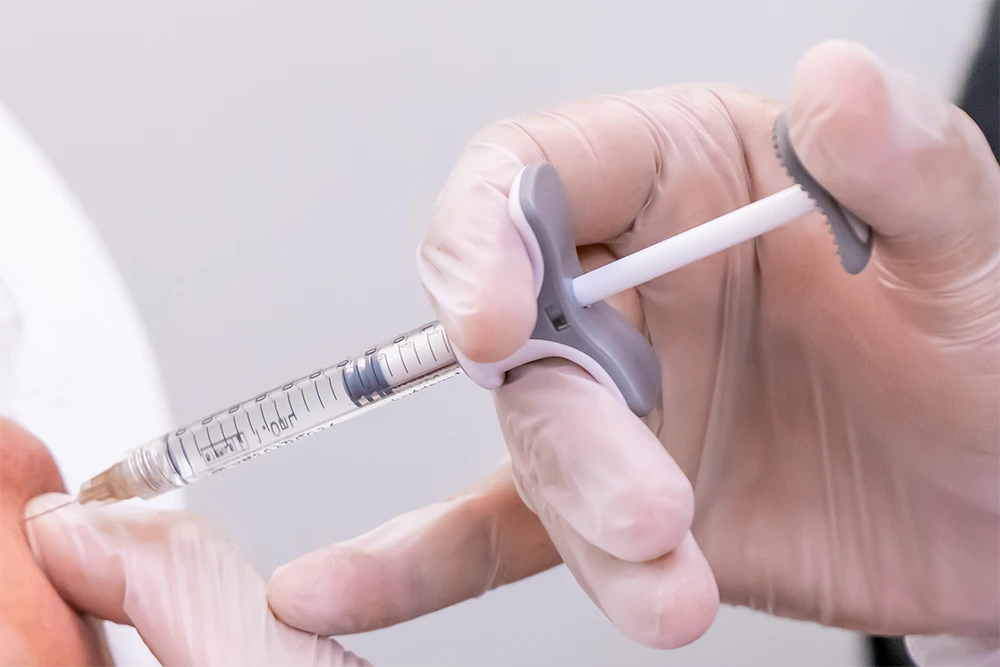

Hyaluronic acid fillers have become an important part of modern facial rejuvenation. They can restore volume and soften certain facial wrinkles without surgery. Among the best-known options is JUVÉDERM, a family of hyaluronic acid-based dermal fillers designed for different areas and aesthetic concerns.
At Covet MedSpa in Bingham Farms, JUVÉDERM is part of a broader approach to facial aesthetics that focuses on understanding facial anatomy, the way the face changes with age, and how much correction is actually appropriate for each patient.
But what exactly is JUVÉDERM, how does it work, and what is the difference between products such as JUVÉDERM Ultra and JUVÉDERM Ultra Plus?
What Is JUVÉDERM?
JUVÉDERM is a family of injectable dermal fillers made with hyaluronic acid, a substance that naturally occurs in the body. Hyaluronic acid has the ability to bind water, and when formulated into a dermal filler, it can add volume to targeted areas beneath the skin.
The JUVÉDERM family includes several formulations with different physical characteristics and FDA-approved uses. That distinction matters because dermal fillers are not one-size-fits-all products. The appropriate filler depends on the area being treated, the degree of volume loss or wrinkling, the patient’s anatomy, and the desired result.
JUVÉDERM Ultra XC and JUVÉDERM Ultra Plus XC, for example, are FDA-approved for injection into the mid-to-deep dermis to correct moderate to severe facial wrinkles and folds, including nasolabial folds. JUVÉDERM Ultra XC also has an FDA-approved indication for lip augmentation and correction of perioral lines in adults over 21.
The goal is not simply to add volume. A well-planned filler treatment considers where volume is needed, how much is appropriate, and how the result should relate to the rest of the face.
How Does Hyaluronic Acid Filler Work?
Hyaluronic acid is a naturally occurring molecule found throughout the body, including the skin. Its ability to attract and retain water contributes to the hydration and structure of skin tissue.
When hyaluronic acid is formulated into a cross-linked injectable gel, it can provide temporary volume in specific tissues. The immediate effect comes from the physical presence of the filler, while the final appearance depends on factors such as the product selected, injection technique, treatment area, and the patient’s individual anatomy.
Research has established hyaluronic acid fillers as an effective option for correcting facial wrinkles, folds, and volume-related changes. Different formulations have different properties, however, which is why individual filler products cannot simply be treated as interchangeable.
JUVÉDERM Ultra vs. Ultra Plus: What’s the Difference?
This is one of the most common questions patients have when they begin researching JUVÉDERM.
JUVÉDERM Ultra XC and JUVÉDERM Ultra Plus XC are both hyaluronic acid fillers, but they are different formulations intended for different clinical applications. Both are FDA-approved for correction of moderate to severe facial wrinkles and folds, such as nasolabial folds.
JUVÉDERM Ultra XC is also approved for lip augmentation and correction of perioral lines in adults over 21. JUVÉDERM Ultra Plus XC is formulated for injection into the mid-to-deep dermis for facial wrinkles and folds. Both formulations contain hyaluronic acid and 0.3% lidocaine, which is incorporated to improve injection comfort.
The practical difference is that the choice between Ultra and Ultra Plus is based on the treatment goal and anatomy, not simply on which product is “stronger.” Your injector evaluates the depth and location of the concern, the amount of correction needed, and how the filler should integrate with surrounding tissue.
Older descriptions of JUVÉDERM sometimes characterize Ultra as a softer product and Ultra Plus as a thicker or more robust option. While these differences can help explain why the formulations may behave differently, patients should not choose between them based on product descriptions alone. The appropriate selection is a clinical decision.

What Can JUVÉDERM Treat?
JUVÉDERM products have different FDA-approved indications, so the specific treatment area depends on the formulation being used.
For JUVÉDERM Ultra XC and Ultra Plus XC, approved uses include correction of moderate to severe facial wrinkles and folds, such as nasolabial folds. Ultra XC is also approved for lip augmentation and correction of perioral lines in adults over 21.
The broader JUVÉDERM family includes other formulations designed for different areas of the face. For example, JUVÉDERM VOLUMA XC is approved for age-related volume loss in the cheeks and for certain chin and temple indications, while JUVÉDERM VOLUX XC is approved to improve moderate to severe loss of jawline definition in adults over 21.
That distinction is important when researching filler online. Someone searching for “JUVÉDERM” may actually be looking at several different products with different indications.

What Does JUVÉDERM Do for an Aging Face?
Facial aging is not caused by one change. Over time, the face experiences changes involving skin, soft tissue, fat compartments, and underlying structures. Loss or redistribution of volume can contribute to deeper folds and changes in facial contour.
Dermal fillers address one part of that process by restoring volume or providing support in selected areas.
That does not mean filler should be used everywhere a wrinkle appears. Some lines are influenced primarily by repeated muscle movement, while others are related to skin quality, sun damage, or changes in underlying volume. In those situations, another treatment may be more appropriate, or a combination approach may produce a more balanced result.
This is one reason a dermatology-guided consultation is valuable. The question is not simply, “Where can filler be injected?” It is, “What is actually causing this particular change in the face?”
Can JUVÉDERM Look Natural?
Yes, when the treatment is appropriately planned and performed, the goal can be a subtle result rather than an obvious change in facial appearance.
Natural-looking filler does not necessarily mean using very small amounts everywhere. It means placing the appropriate product in the appropriate tissue plane and treatment area while considering the patient’s existing facial proportions.
Facial anatomy also varies considerably from one person to another. A treatment plan that works well for one patient may be inappropriate for another, even when both patients have similar concerns.
The objective should be to address the specific feature being treated without losing the characteristics that make the patient’s face their own.
What Is JUVÉDERM Treatment Like?
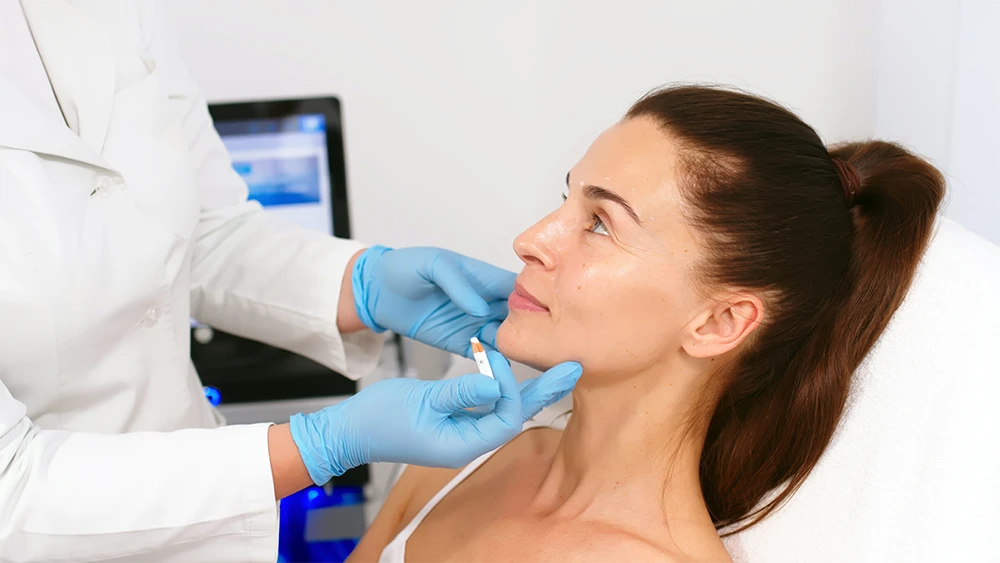
JUVÉDERM treatment is performed as an outpatient injectable procedure. Depending on the treatment area and technique, the provider may use a needle or other appropriate injection method, and the products themselves contain lidocaine to help improve comfort.
Treatment time varies according to the areas being addressed. Some appointments are relatively brief, while more comprehensive treatment plans may require additional time for assessment and injection.
Immediately following treatment, patients may experience temporary swelling, redness, tenderness, bruising, or firmness around the injection sites. These reactions are among the commonly reported effects associated with dermal fillers and generally resolve over time.
How Long Does JUVÉDERM Last?
There is no single answer for every JUVÉDERM treatment.
Filler longevity depends on the specific formulation, treatment area, amount injected, individual metabolism, and other factors. Different JUVÉDERM products have different clinical data and approved indications, so it is better to avoid applying one blanket timeframe to the entire JUVÉDERM family.
Research on hyaluronic acid fillers also shows that persistence can extend beyond the period when patients notice the strongest visible effect, although durability varies considerably among products and treatment areas. A 2026 systematic review found that manufacturing technology, tissue mobility, and anatomical factors all influence filler longevity.
Your provider can give you a more useful expectation based on the specific product and area being treated.
Professional Dermaplaning vs. Facial Shaving at Home
Because dermaplaning removes facial hair, many people assume it is simply another form of shaving. While the two procedures share similarities, they are not interchangeable.
Professional dermaplaning is performed using a sterile surgical blade and a technique designed specifically for controlled exfoliation. The provider evaluates skin condition, maintains a consistent blade angle, and carefully treats each area of the face while avoiding unnecessary irritation.
At-home facial razors are designed primarily for hair removal. They can remove surface hair, but they do not offer the same level of precision or professional skin assessment. Improper technique may also increase the likelihood of cuts, irritation, or uneven exfoliation.
Another important difference is treatment planning. Professional providers evaluate whether dermaplaning should be performed alone or combined with other services such as Hydrafacial, chemical peels, or broadband light therapy based on each patient’s skin concerns.
Is JUVÉDERM Safe?
FDA-approved dermal fillers have an established safety profile when used appropriately, but they are medical devices and are not without risk.
Common reactions can include swelling, bruising, redness, pain, tenderness, itching, and temporary firmness. Less common complications include infection, nodules, inflammatory reactions, and allergic reactions.
One of the most serious potential complications is accidental injection of filler into a blood vessel. Although this is uncommon, vascular occlusion can cause tissue injury and, in rare cases, vision loss or stroke. That is why filler should be administered by an appropriately licensed and trained medical professional who understands facial vascular anatomy and has a plan for managing complications.
Patients should also understand that FDA approval applies to specific products, indications, and treatment areas. Using a filler in an area that is not included in its approved labeling is considered an off-label use and should be discussed with a qualified medical provider.
Who Is a Good Candidate for JUVÉDERM?
TA consultation is the best way to determine whether JUVÉDERM is appropriate.
Generally, the discussion begins with the patient’s goals, medical history, previous cosmetic treatments, allergies, medications, and the characteristics of the area they want to address. The provider then evaluates facial anatomy and determines whether filler is likely to provide a meaningful benefit.
Some patients may benefit from filler alone. Others may have concerns better addressed with a neuromodulator, skin resurfacing treatment, laser or light-based treatment, or another approach altogether.
Good aesthetic medicine is not about finding a reason to inject. It is about determining whether an injectable is actually the right tool.
Why Dermatology-Guided Filler Matters
Dermal filler treatment combines product knowledge with anatomy, injection technique, facial assessment, and complication management.
The injector needs to understand how facial structures vary from person to person and how changes in one area can affect the appearance of another. A thoughtful treatment plan also considers whether the patient’s concern comes from volume loss, muscle activity, skin changes, or a combination of factors.
At Covet MedSpa, JUVÉDERM is offered as part of a broader cosmetic dermatology approach in Bingham Farms, serving patients throughout Metro Detroit.
The Bottom Line
JUVÉDERM is not a single filler. It is a family of hyaluronic acid-based dermal fillers with different formulations and FDA-approved uses.
JUVÉDERM Ultra XC and Ultra Plus XC are both used for the correction of moderate to severe facial wrinkles and folds, while Ultra XC also has an approved indication for lip augmentation and perioral lines in adults over 21. The right product depends on the area being treated, the patient’s anatomy, and the desired correction.
The most important part of filler treatment is therefore not choosing a product from a list. It is having a qualified medical professional determine whether filler is appropriate, which formulation makes sense, and how much treatment is actually necessary.
If you are considering JUVÉDERM and want to understand which option may be appropriate for your goals, book a consultation with Covet MedSpa to discuss your treatment plan.
References
- U.S. Food and Drug Administration. “Dermal Fillers (Soft Tissue Fillers).” FDA.
- U.S. Food and Drug Administration. “JUVEDERM ULTRA XC AND JUVEDERM ULTRA PLUS XC.” Premarket Approval P050047.
- Allergan Aesthetics. “JUVÉDERM Ultra Plus XC Injectable Gel.” Instructions for Use.
- Monheit, G. D., & Prather, C. L. (2007). “Juvéderm: A hyaluronic acid dermal filler.” Journal of Drugs in Dermatology.
- Rohrich, R. J., & Ghavami, A. (2007). “Hyaluronic acid gel fillers in the management of facial aging.” Plastic and Reconstructive Surgery.
- Narins, R. S., et al. (2009). “Hyaluronic acid gel (Juvéderm) preparations in the treatment of facial wrinkles and folds.” Dermatologic Surgery.
- Lowe, S., et al. (2026). “Hyaluronic Acid Dermal Filler-Associated Vascular Occlusion: A Review of Prevention and Management Strategies.” Journal of Cosmetic Dermatology.