
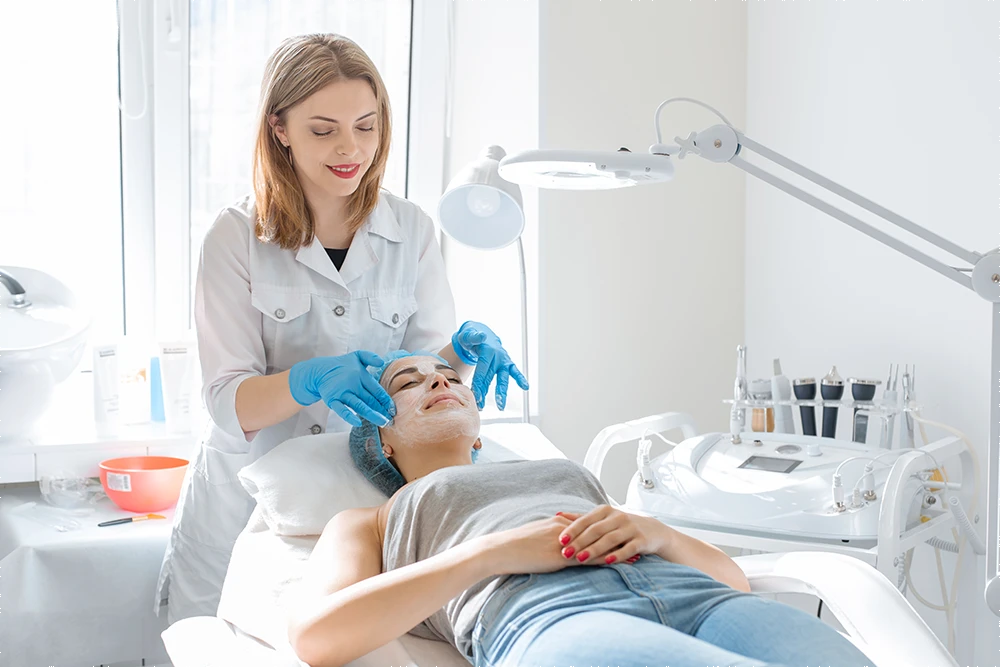

One of the most common questions patients ask before scheduling dermaplaning has nothing to do with exfoliation. Instead, it focuses on what happens afterward.
“Will my hair grow back thicker?”
It is an understandable concern. Many people notice that hair can feel coarser after shaving, leading to the belief that removing facial hair somehow changes the way it grows. Social media has only added to the confusion, with countless videos and personal opinions offering conflicting advice.
The reassuring answer is that dermaplaning does not cause facial hair to grow back thicker, darker, or faster. This is not simply a marketing claim. It is supported by decades of research into hair biology and studies examining the effects of shaving on hair growth.
Understanding why this myth persists requires looking at how hair grows, what dermaplaning actually removes, and what patients are noticing when hair eventually returns.
At Covet Med Spa in Metro Detroit, patient education is just as important as treatment itself. Knowing what dermaplaning can and cannot do helps set realistic expectations and allows patients to make informed decisions about their skincare.
Why This Myth Has Lasted for So Long
The idea that shaving changes hair growth has been around for generations. Many people first hear it as teenagers when facial or body hair begins to develop.
The belief seems logical at first. After shaving, new hair often feels stiffer as it grows through the skin. Because the freshly cut end of the hair is blunt rather than naturally tapered, it can feel more noticeable when touched.
Visual perception plays a role as well. Newly growing hairs have not yet been softened by daily wear or sun exposure, so they may appear slightly darker against the skin for a short time.
These changes can create the impression that the hair itself has become thicker.
In reality, the structure of the hair follicle remains completely unchanged. The follicle determines the hair’s thickness, color, growth rate, and texture. Simply cutting the hair at the surface cannot alter those biological characteristics.
What Happens During Dermaplaning?
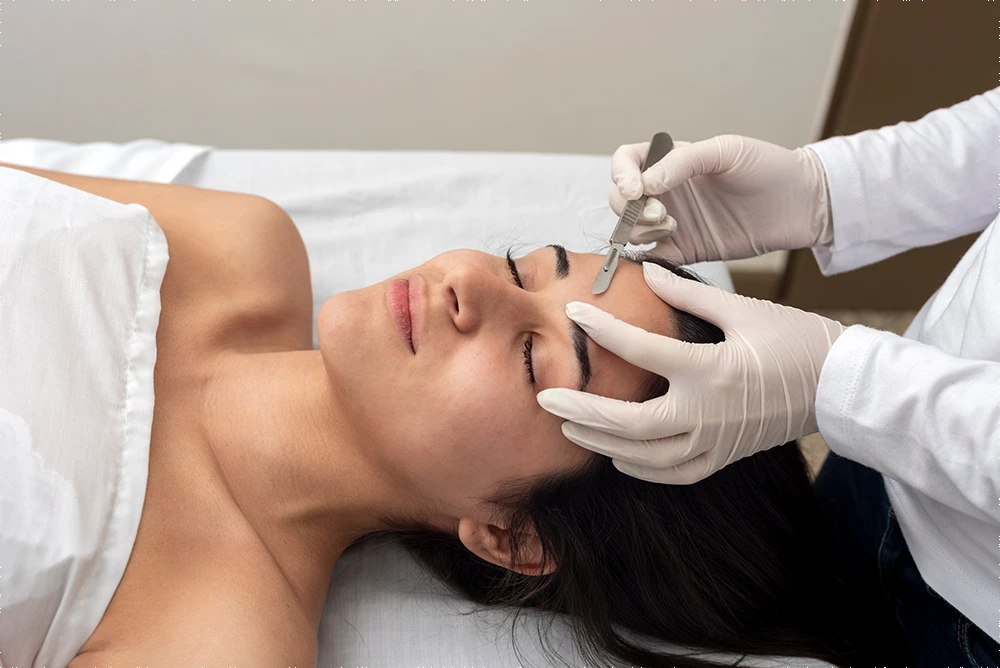
Dermaplaning is a professional exfoliation treatment performed with a sterile surgical blade held at a precise angle against the skin.
As the blade moves across the surface, it removes accumulated dead skin cells along with fine facial hair known as vellus hair. Only the portion of the hair extending above the skin is removed. The hair follicle, root, and surrounding structures remain untouched beneath the surface.
That distinction is important because hair growth begins inside the follicle, not above the skin.
Dermaplaning does not damage the follicle, stimulate it, or change its biology. Instead, it simply removes hair that has already emerged while simultaneously exfoliating the outermost layer of dead skin cells.
Because the treatment is limited to the skin’s surface, it cannot transform one type of hair into another.
Understanding How Hair Actually Grows
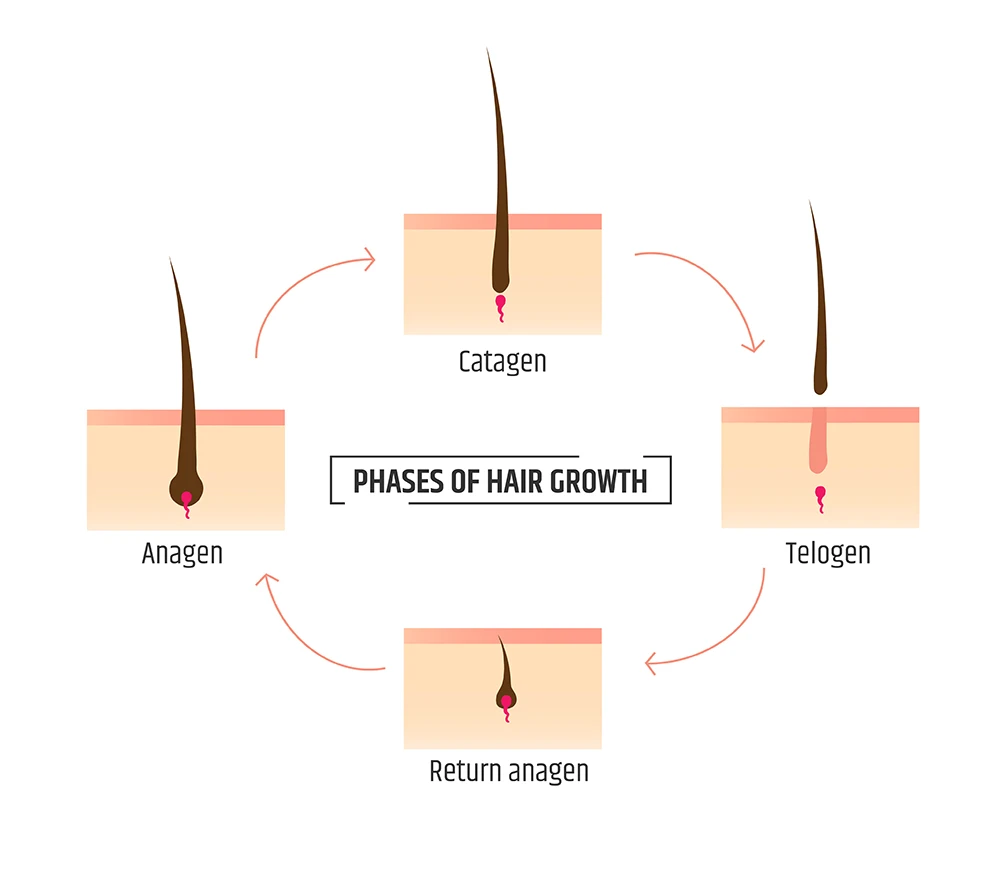
Hair growth is controlled by specialized follicles located beneath the skin. Each follicle contains living cells that produce the hair shaft before it emerges through the skin’s surface.
The characteristics of that hair are influenced by several factors, including genetics, hormones, age, and overall health.
Once the hair leaves the follicle, it is no longer living tissue. Cutting or removing the visible portion does not send signals back to the follicle to change how future hair is produced.
This principle applies whether someone shaves their face, legs, or any other part of the body. The same biology explains why dermaplaning does not alter facial hair growth.
Vellus Hair vs. Terminal Hair
Understanding the difference between vellus hair and terminal hair helps explain why dermaplaning behaves differently than many people assume.
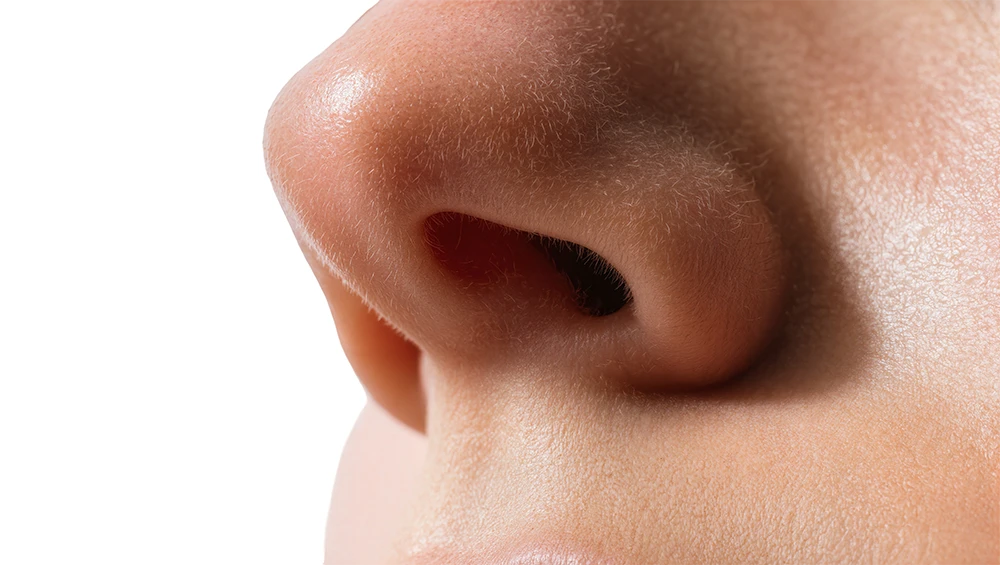
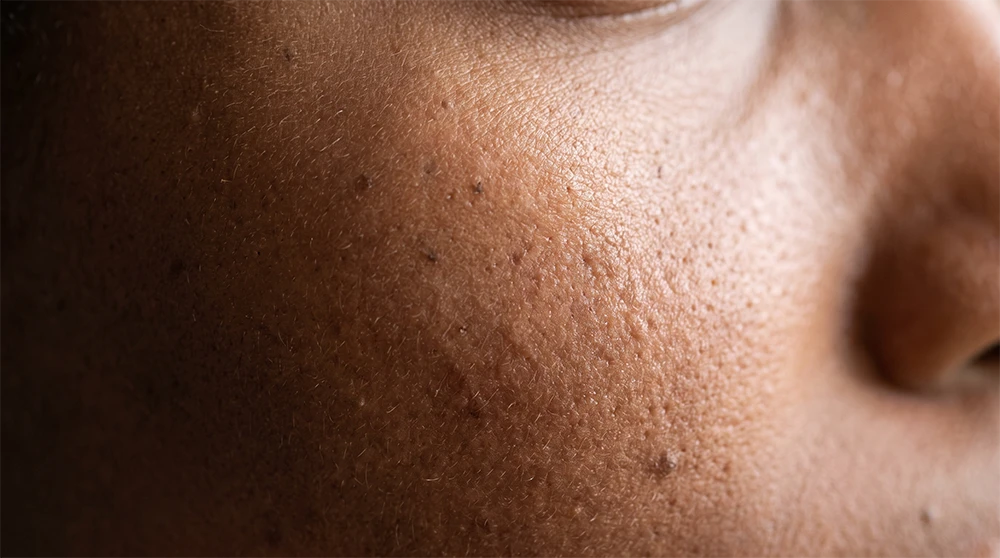
Vellus hairs are the fine, soft hairs that cover much of the face and body. They are usually light in color and much thinner than scalp hair or eyebrows. These hairs contribute to normal skin function and are present in nearly everyone.
Terminal hairs are much thicker, darker, and coarser. The eyebrows, eyelashes, beard, and scalp are all composed primarily of terminal hair. Hormones, particularly androgens, play a major role in determining where terminal hair develops.
Dermaplaning removes only vellus hair from the surface of the skin. The treatment does not convert vellus hair into terminal hair because it does not affect the follicle where those characteristics are determined.
If a person’s facial hair becomes thicker over time, the cause is far more likely to be hormonal changes, genetics, aging, or an underlying medical condition than a cosmetic treatment performed on the skin’s surface.
What Research Says About Shaving and Hair Growth
The belief that shaving changes hair growth has been studied for decades.
One of the earliest and most frequently cited studies was published in The Anatomical Record in 1928. Researchers observed that shaving did not alter hair growth rate or thickness.
A landmark study published in 1970 in the journal Nature reached a similar conclusion. Investigators found that repeated shaving did not increase the diameter, color, or growth rate of hair.
Subsequent dermatology research has continued to support these findings. Although freshly cut hairs may temporarily feel stiffer because of their blunt edge, shaving does not change the biological properties of the follicle.
The same principle applies to dermaplaning. Since the treatment removes only the visible portion of vellus hair, there is no scientific evidence that it causes hair to return thicker or darker.
Why Hair May Feel Different After It Grows Back
If dermaplaning does not change hair growth, why do so many people believe it does?
The answer often comes down to perception.
Hair naturally tapers to a soft point as it grows. When it is cut straight across, the first portion to emerge has a blunt edge. That blunt tip may feel firmer against the fingertips even though the diameter of the hair has not changed.
Patients also tend to pay closer attention to facial hair after their first dermaplaning treatment because the skin initially feels exceptionally smooth. As hair gradually returns over the following weeks, the contrast makes the regrowth more noticeable than it was before treatment.
Neither of these changes reflects an actual increase in hair thickness.
When Facial Hair Really Can Change
Although dermaplaning does not make hair grow back thicker, facial hair can change over time for other reasons.
Hormonal fluctuations are among the most common causes. During menopause, for example, declining estrogen levels and the relative influence of androgens can contribute to increased facial hair growth in some women. Similar changes may occur in individuals with conditions such as polycystic ovary syndrome (PCOS) or certain endocrine disorders.
Genetics also play an important role. Some people naturally have more noticeable facial hair because of inherited traits rather than anything they have done to their skin.
Certain medications and medical conditions may influence hair growth as well. If someone notices sudden or significant changes in facial hair, it is worth discussing those changes with a healthcare provider rather than assuming a skincare treatment is responsible.
Understanding these underlying factors helps separate coincidence from cause. Hair growth may change during the same period someone begins dermaplaning, but that does not mean the treatment created the change.
Who Is a Good Candidate for Dermaplaning?
Dermaplaning is often a good option for patients looking to improve the appearance and feel of their skin without significant downtime.
Many people seek treatment because they want smoother skin, a brighter complexion, or a more even makeup application. Others appreciate that removing fine vellus hair creates a cleaner surface for skincare products.
Patients with dry or rough skin frequently notice that moisturizers apply more evenly after professional exfoliation. Individuals preparing for weddings, photographs, or other special occasions also commonly choose dermaplaning because of the immediate improvement in skin texture.
The treatment is not appropriate for everyone. Active inflammatory acne, open wounds, certain skin infections, or irritated skin may require postponing treatment until the skin has healed. A consultation allows your provider to evaluate your skin and determine whether dermaplaning is the right choice.
Professional Dermaplaning vs. Facial Shaving at Home
Because dermaplaning removes facial hair, many people assume it is simply another form of shaving. While the two procedures share similarities, they are not interchangeable.
Professional dermaplaning is performed using a sterile surgical blade and a technique designed specifically for controlled exfoliation. The provider evaluates skin condition, maintains a consistent blade angle, and carefully treats each area of the face while avoiding unnecessary irritation.
At-home facial razors are designed primarily for hair removal. They can remove surface hair, but they do not offer the same level of precision or professional skin assessment. Improper technique may also increase the likelihood of cuts, irritation, or uneven exfoliation.
Another important difference is treatment planning. Professional providers evaluate whether dermaplaning should be performed alone or combined with other services such as Hydrafacial, chemical peels, or broadband light therapy based on each patient’s skin concerns.
Why Professional Guidance Matters
Dermaplaning is most effective when it is part of a personalized skincare strategy rather than an isolated treatment.
Some patients are primarily concerned with dullness and dry skin. Others may have pigmentation, acne scars, redness, or early skin laxity that requires a different approach. While dermaplaning improves the skin’s surface, it is not designed to address every concern.
A consultation helps identify the treatments that are most appropriate for your skin rather than relying on trends or online advice.
Patient education is equally important. Clearing up common myths, including the belief that dermaplaning changes hair growth, allows patients to feel more confident about their treatment decisions and maintain realistic expectations.
The Bottom Line
The idea that dermaplaning causes hair to grow back thicker has persisted for decades, but scientific evidence does not support it.
Dermaplaning removes only the visible portion of fine vellus hair while leaving the follicle completely untouched. Because hair thickness, color, and growth rate are determined within the follicle, removing hair at the surface cannot change the way it grows back.
What many people notice after treatment is simply the natural regrowth of hair with a blunt tip rather than a tapered one. That temporary difference in texture can make the hair feel more noticeable without altering its actual structure.
When performed by a trained provider, dermaplaning remains a safe and effective method of professional exfoliation that can improve skin smoothness, enhance radiance, and complement a long-term skincare routine.
A Clear Next Step
Questions and misconceptions should never stand in the way of making an informed skincare decision. Understanding how dermaplaning works allows you to evaluate the treatment based on scientific evidence rather than outdated myths.
If you are considering dermaplaning or want to learn whether it fits into your skincare plan, a professional consultation is the best place to start. Your provider can evaluate your skin, discuss your goals, and recommend the treatments most appropriate for your individual needs.
Book a consultation at Covet Med Spa in Metro Detroit to learn whether dermaplaning is right for your skin and discover how professional exfoliation can support healthier-looking skin.
References
- Lynfield, Y. L., & Macwilliams, P. (1970). “Shaving and Hair Growth.” Nature.
- Mildred Trotter, M., & Danforth, C. H. (1928). “The Effect of Shaving on Hair Growth.” The Anatomical Record.
- American Academy of Dermatology Association. (2024). Hair Loss: Myths and Facts.
- Olsen, E. A. (2003). “Female Pattern Hair Loss.” Journal of the American Academy of Dermatology.
- Draelos, Z. D. (2018). “The Science Behind Skin Care: Cleansing, Exfoliation, and Barrier Function.” Journal of Cosmetic Dermatology.
- American Society for Dermatologic Surgery. (2023). Skin Rejuvenation Procedures.